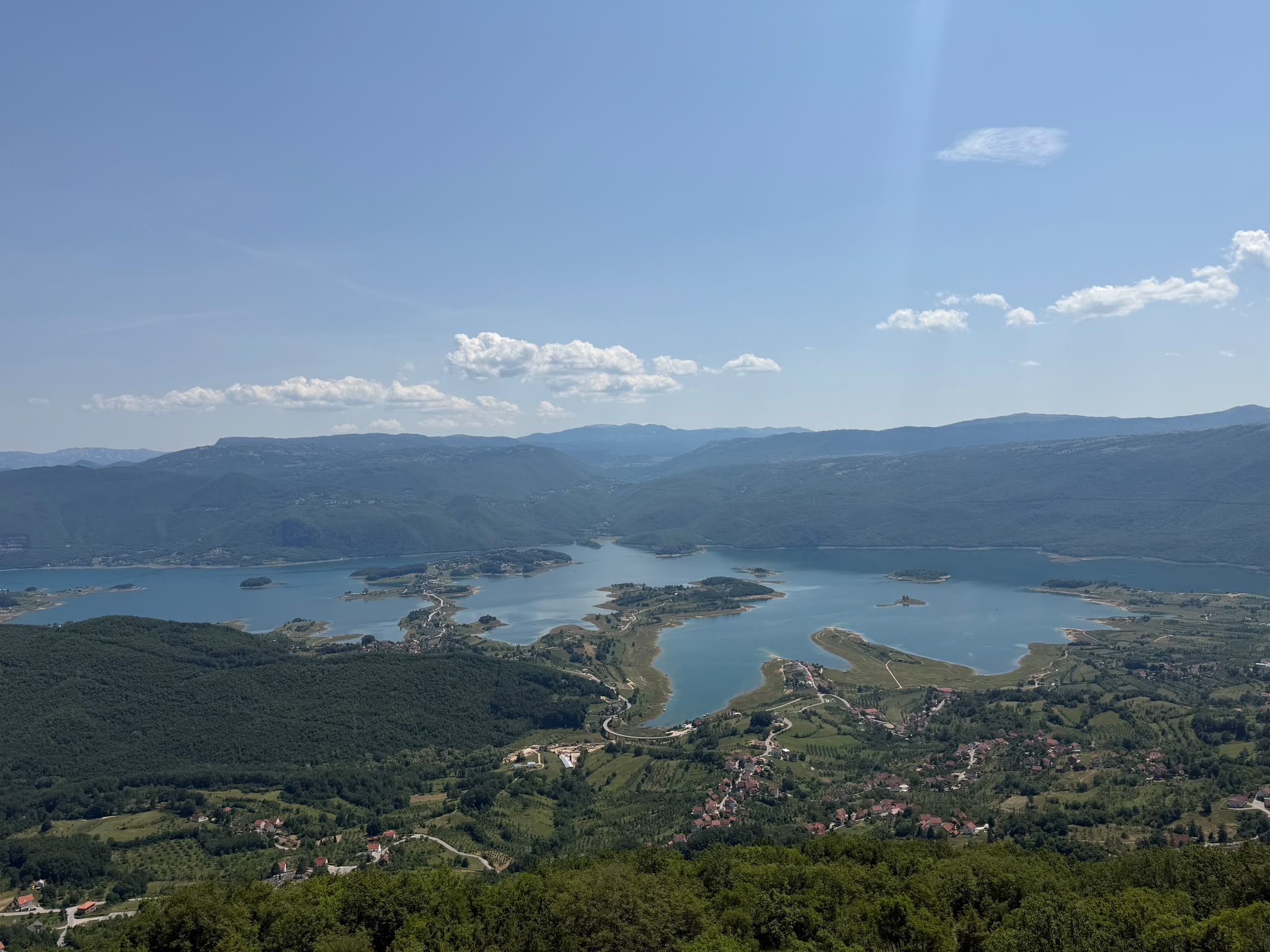
The Bosnia Rally 2026 took place from 12 to 18 July 2026, with its base camp in Kupres. Despite its name, it was expressly not a race, but a five-day roadbook and off-road training event held under conditions as close to a real rally as possible. There was scrutineering, daily rider briefings, GPS tracking, checkpoints, medical support and a paddock, but no timekeeping, no ranking and no overall winner.
According to the organiser, the programme comprised five stages totalling roughly 1,300 to 1,400 kilometres.
The landscape around Kupres
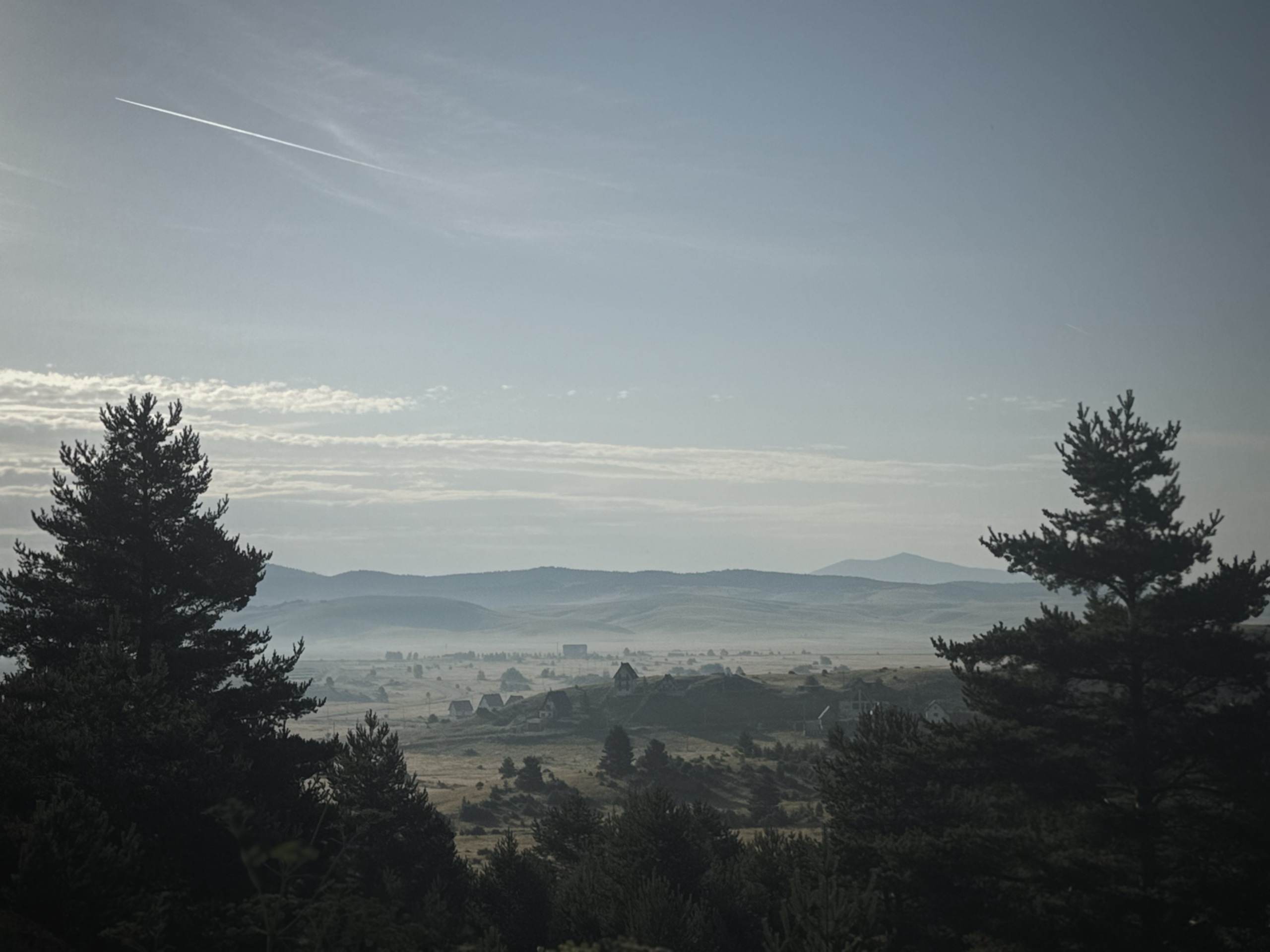
Kupres lies on a broad high plateau at an altitude of roughly 1,300 metres, surrounded by mountains and extensive forests. The landscape combines open uplands with more densely wooded areas and a large network of gravel tracks, forest trails and field paths. The organiser describes the region as an area of dry steppe, damp forest floor and tracks leading in practically every direction.
It is precisely these changes that make the area interesting for rally training:
- open, fast gravel tracks on the plateau,
- narrow forest trails with restricted visibility,
- stony and washed-out sections,
- muddy passages after rain,
- water crossings and a few singletrails.
According to the organiser, about 75 per cent of the route consisted of gravel tracks and unpaved roads; the FAQ even speaks of an off-road share of around 85 per cent overall.
The wildlife is also part of the region’s distinctive character. The organiser points out that riders may encounter, among other things, herds of sheep and cattle, wild horses and possibly even bears. This is less a touristic embellishment than an indication that the routes run through largely open natural and grazing areas.
Route and level of difficulty
The Bosnia Rally was expressly not aimed at off-road beginners. Entrants needed experience on gravel and loose surfaces, as well as a road-legal, technically suitable enduro motorcycle. Normal road tyres were not permitted or were practically unsuitable; sturdy tyres for hard gravel were recommended.
The level of difficulty can sensibly be divided into three areas.
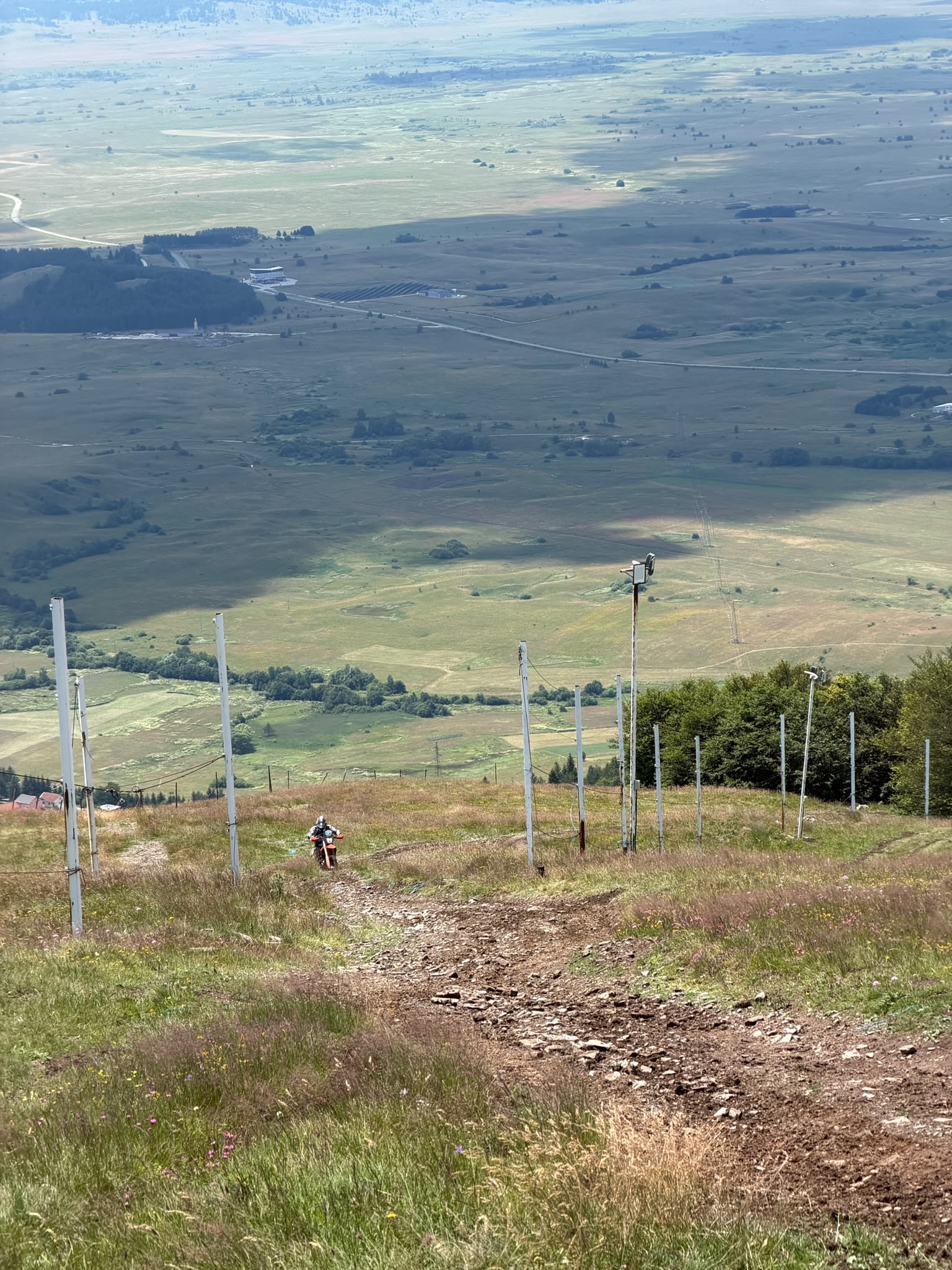
- Riding technique: demanding
Rocks, mud, water crossings and narrow trails call for clean enduro technique. Slow, steep or washed-out sections can be very tiring, especially on a heavy adventure bike. The challenge lies not in a single extreme obstacle as in hard enduro, but in the permanent combination of loose ground, length and changing conditions. - Fitness: high
Five riding days and around 1,300 kilometres mean several long days on the bike. Even without time pressure, participants have to stay constantly focused, control the motorcycle off-road and navigate at the same time. The relaxed training character removes race pressure, but does not make the routes themselves easy. - Navigation: the central focus
The real purpose of the event was training with a paper roadbook, an electronic roadbook or GPS. Riders had to interpret junctions, distances, hazard warnings and route features on their own. For electronic roadbooks, the organisation supported the Terrapirata app; GPS riders received the GPX data before the event.
A navigation error here meant no time penalty, but could still lead to extra kilometres, fuel problems or a very long day.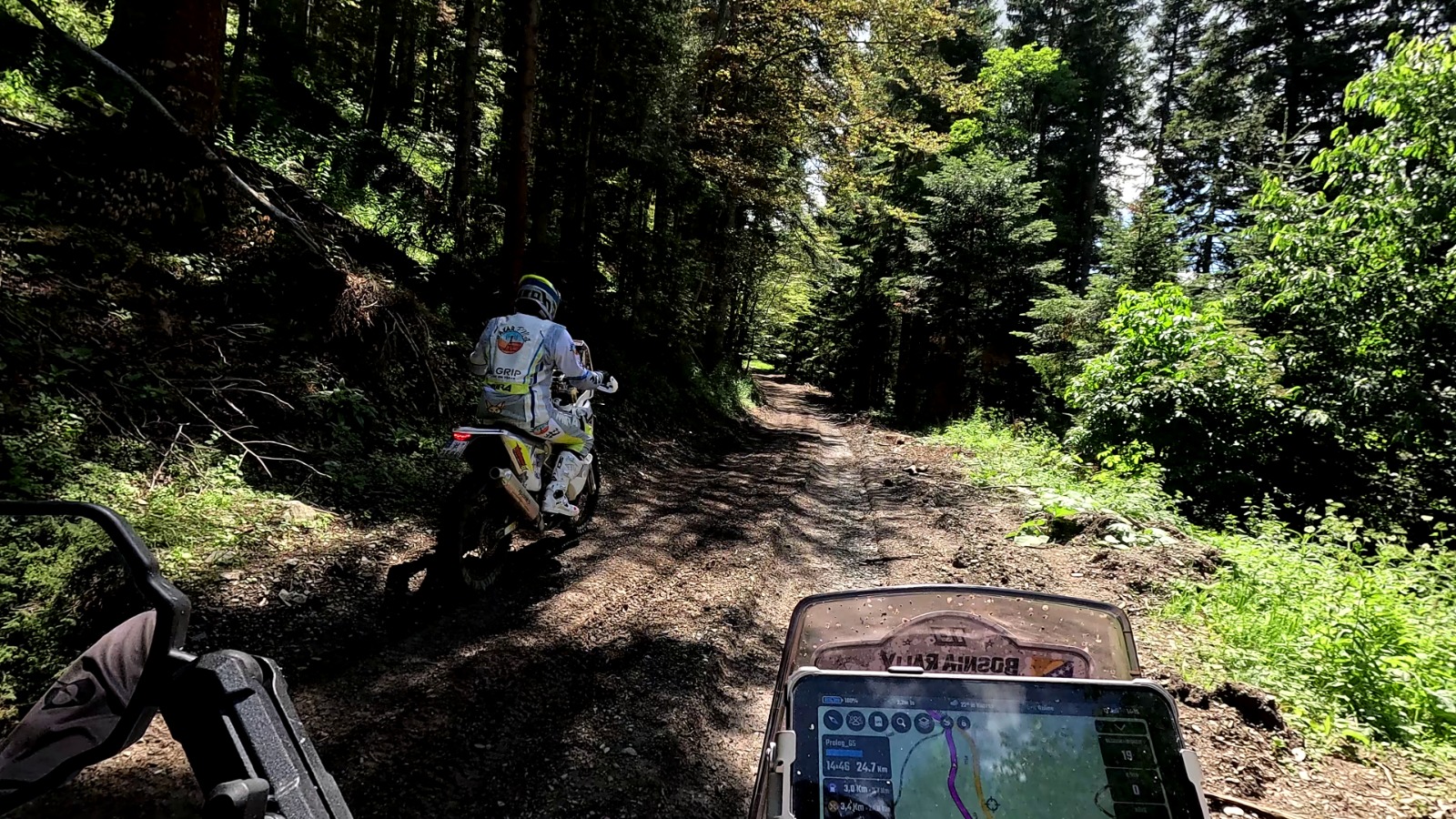
Although there was no scoring, the format followed that of a classic rally raid event:
- Arrival, accreditation and technical inspection
- Installation of and briefing on the navigation equipment
- Daily issue or unlocking of the roadbook
- Riders starting at staggered intervals
- Checkpoints, service points and rest stops along the route
- GPS tracking by the organisation
- Daily rider briefing for the next stage.
The five main stages were ridden from 13 to 17 July. A joint finish party was planned for the evening of the last riding day.
Classes and categories
At the Bosnia Rally there were no classes in the sense of a motorsport championship, because no times were taken and no places were awarded. Terms such as M1, M2 or FIM5, as at the RO Rally, therefore played no role here.
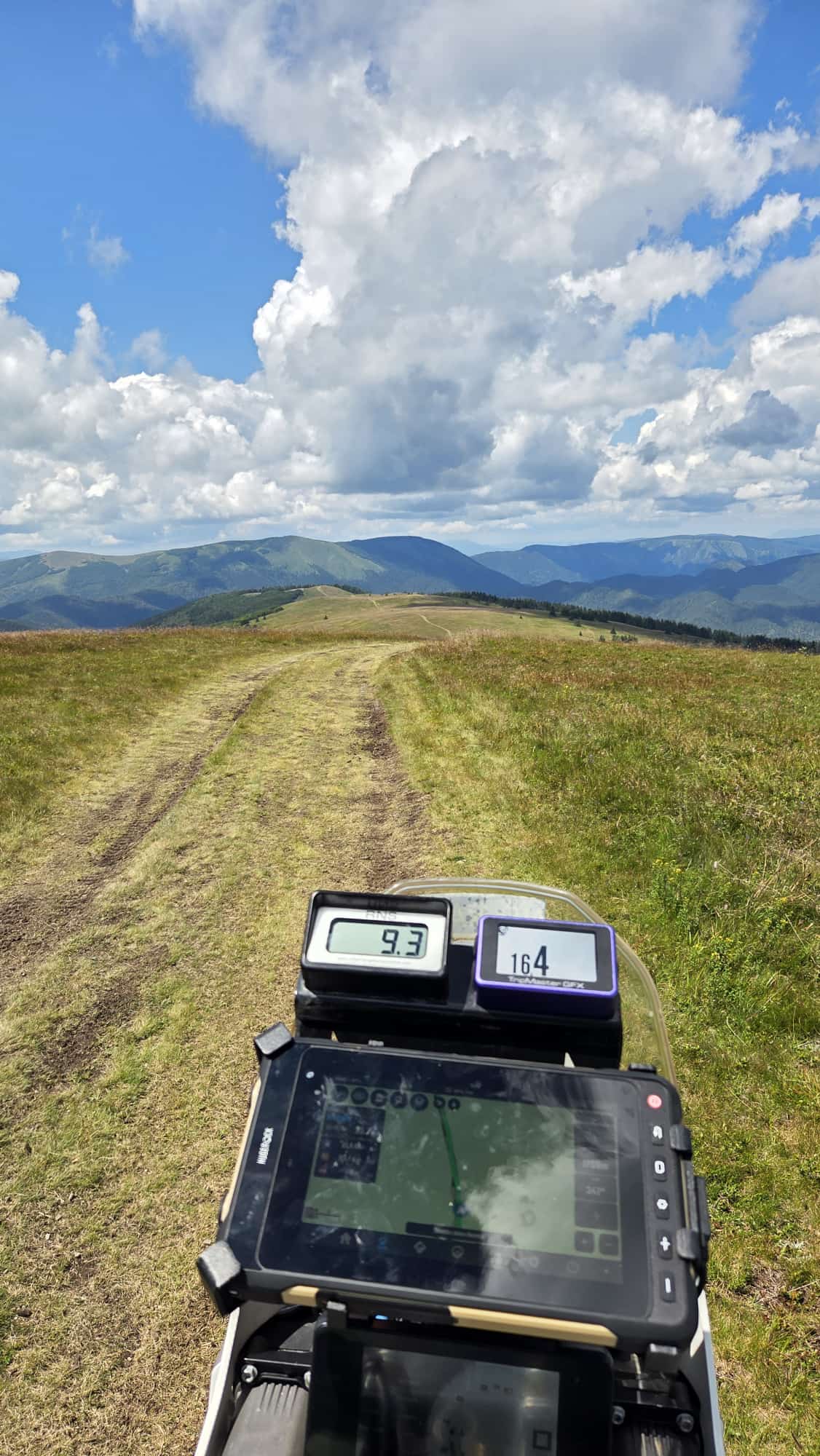
Instead, the event distinguished mainly by type of navigation and type of motorcycle.
- Roadbook riders
These participants navigated with a classic paper roll or an electronic roadbook. This most closely matches the format of a genuine rally raid and was the focus of the event. - GPS riders
Alternatively, riders could use a track-capable GPS device or a suitable app. This category was easier to access, because the rider could follow a set line instead of having to interpret every roadbook note. - Sport enduros and light rally bikes
Lighter enduros have advantages on technical forest and rocky sections. They are easier to catch, lift and manoeuvre through tight passages. In principle, any suitable enduro could take part, provided it was road-legal and met the required range. - Adventure motorcycles
A special ADV route was prepared for larger motorcycles weighing roughly 160 kilograms and above. It bypassed selected selective sections or those problematic for heavy motorcycles. Riders could switch to this track if necessary. This made the event accessible to large adventure bikes as well, without removing the technical challenge entirely. - Extra Class
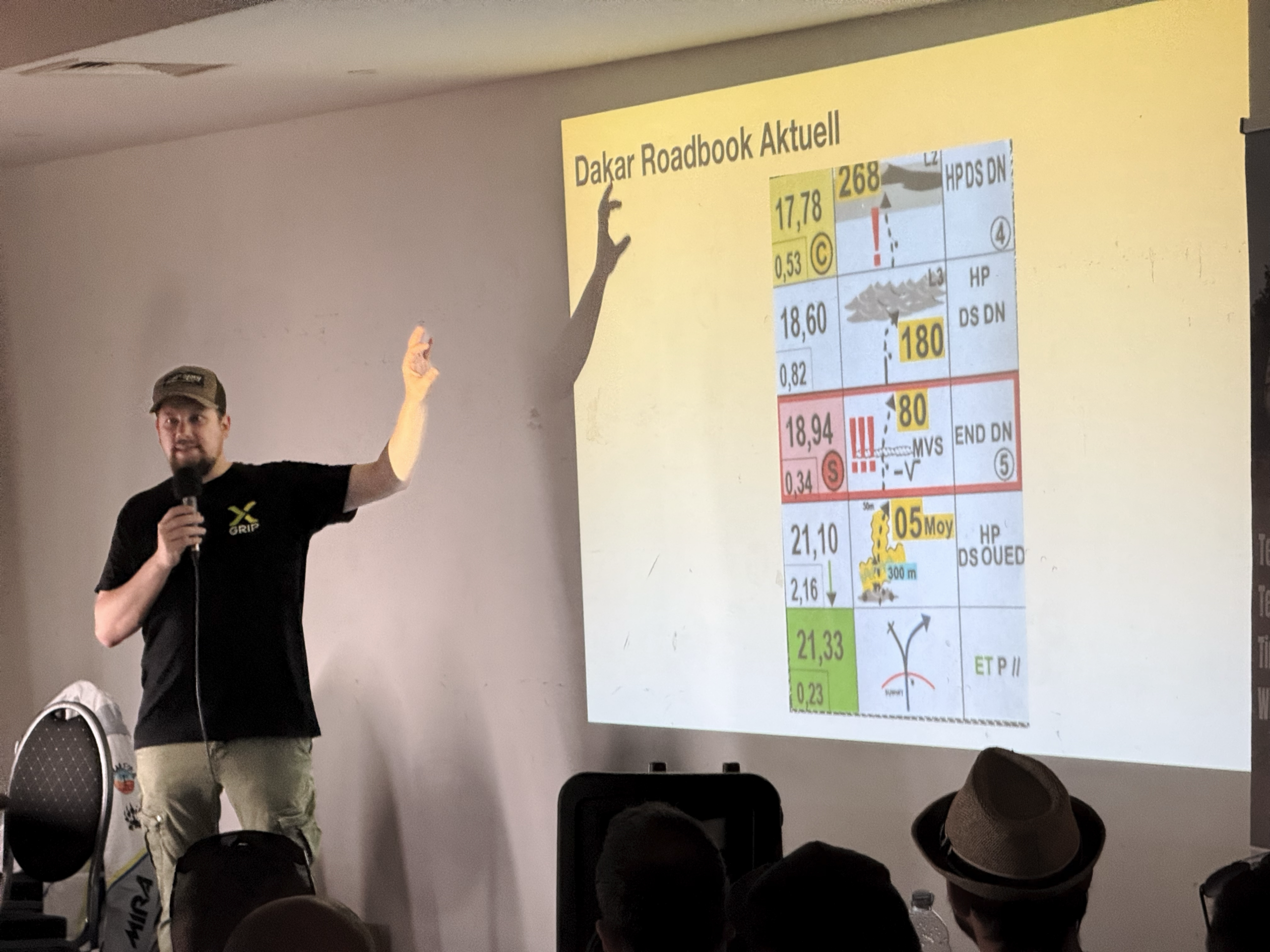
On 11 July, an additional beginners’ class for roadbook newcomers took place. It covered marking and mounting the roadbook, calibrating the trip meter, operating the navigation equipment and the start procedure. This was followed by a practice prologue of roughly 70 kilometres.
The distinction is important: the Extra Class was intended for navigation beginners. The actual five-day Bosnia Rally nevertheless remained an event for riders with existing off-road experience.
Motorcycles and technical requirements
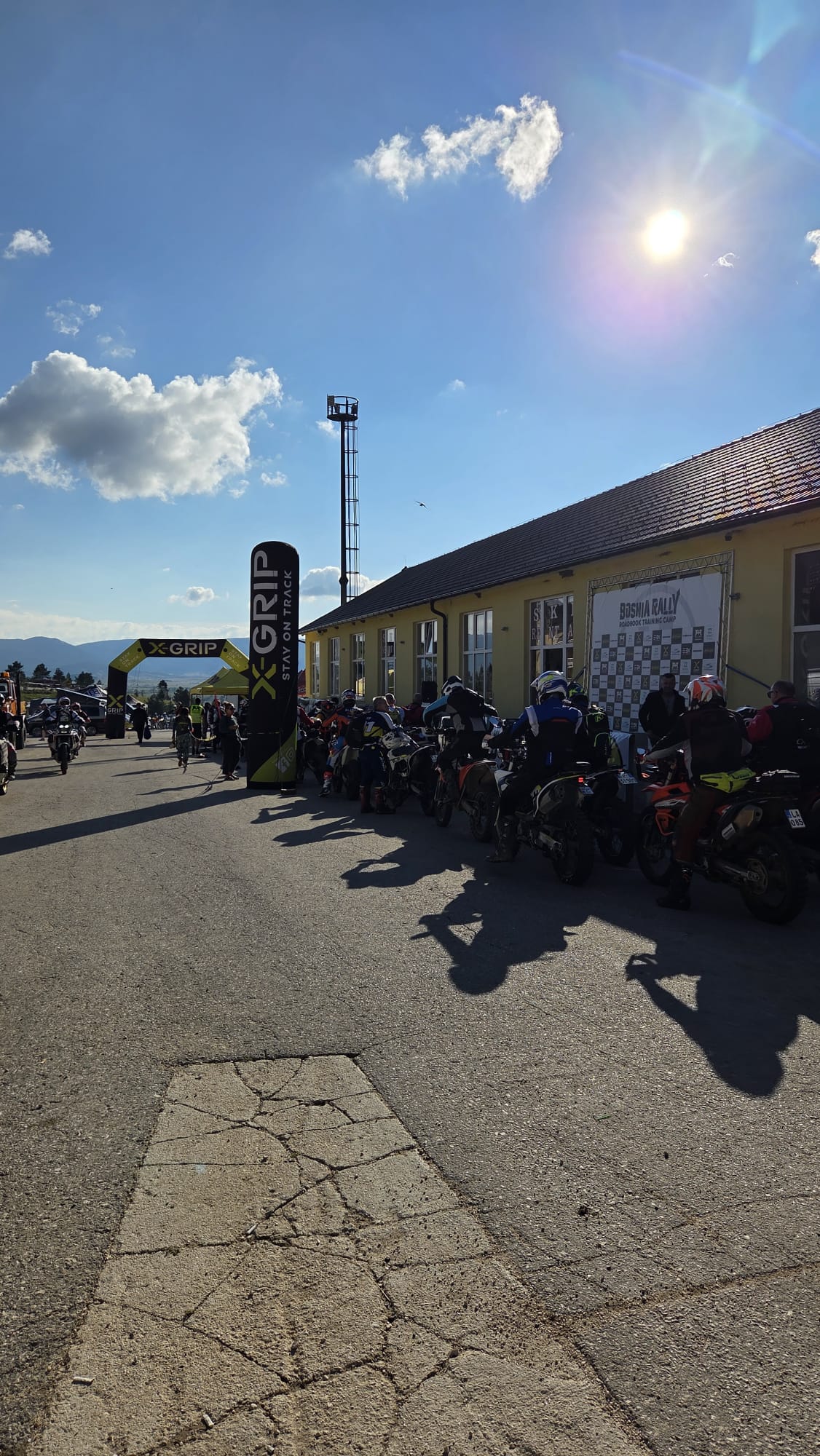
The motorcycle had to be road-legal and in good condition. A range of at least 150 kilometres was required. For smaller tanks, external fuel stops could in some cases be arranged; fuel bottles carried on the body were banned for safety reasons.
As for tyres, the organisation recommended hard gravel tyres. In rally sport, mousse inserts are often the preferred solution against punctures on lighter motorcycles. Riders of large adventure bikes with inner tubes were expected to be able to repair a puncture themselves on the way.
These requirements show clearly what the event was about: not maximum engine power, but reliability, range, navigation and the ability to solve problems on the road yourself.
Stories
- According to local media reports, 453 riders from 16 countries came to Kupres in 2026. Before the start, the plateau and the town park became a meeting point for a large international motorcycling community. Local coverage spoke of hundreds of motorcyclists who turned the otherwise rather quiet Kupres into a rally centre for a week.
- Participants
The event was thus split almost exactly in half between GPS and roadbook navigation. It is striking, however, that the GPS group included considerably more heavy adventure motorcycles: there, 94 ADV entries stood against 135 MOTO entries. In the roadbook group, by contrast, the lighter MOTO machines clearly dominated, with 170 of 224 entries. - Training instead of elbowing for position
The probably most interesting feature is that the Bosnia Rally deliberately dispenses with timekeeping. At many rally events, participants race against each other despite their amateur status and thereby risk mistakes or crashes. In Kupres, by contrast, the focus was meant to be on arriving cleanly, navigating and learning. As a result, riders could meet again at checkpoints or rest stops, swap experiences and help each other in case of problems without jeopardising their own placing. The family atmosphere is not a side programme, but part of the event’s actual concept. - Light enduros and large adventure bikes at the same event
The mix of slim sport enduros and heavy adventure motorcycles naturally makes for very different experiences. Where a light single-cylinder bike gets through a washed-out forest track without difficulty, a large twin-cylinder adventure bike can demand a lot of strength and teamwork. The ADV bypasses were therefore not a pure “light class”, but a safety and accessibility concept. A large part of the normal route remained demanding for ADV riders too. - The 70-kilometre prologue for newcomers
It is also unusual that the prologue was not used to determine a starting order. It was solely part of the Extra Class and intended as a practical test after the roadbook tuition. Participants could make mistakes under observation before the actual event began the next day.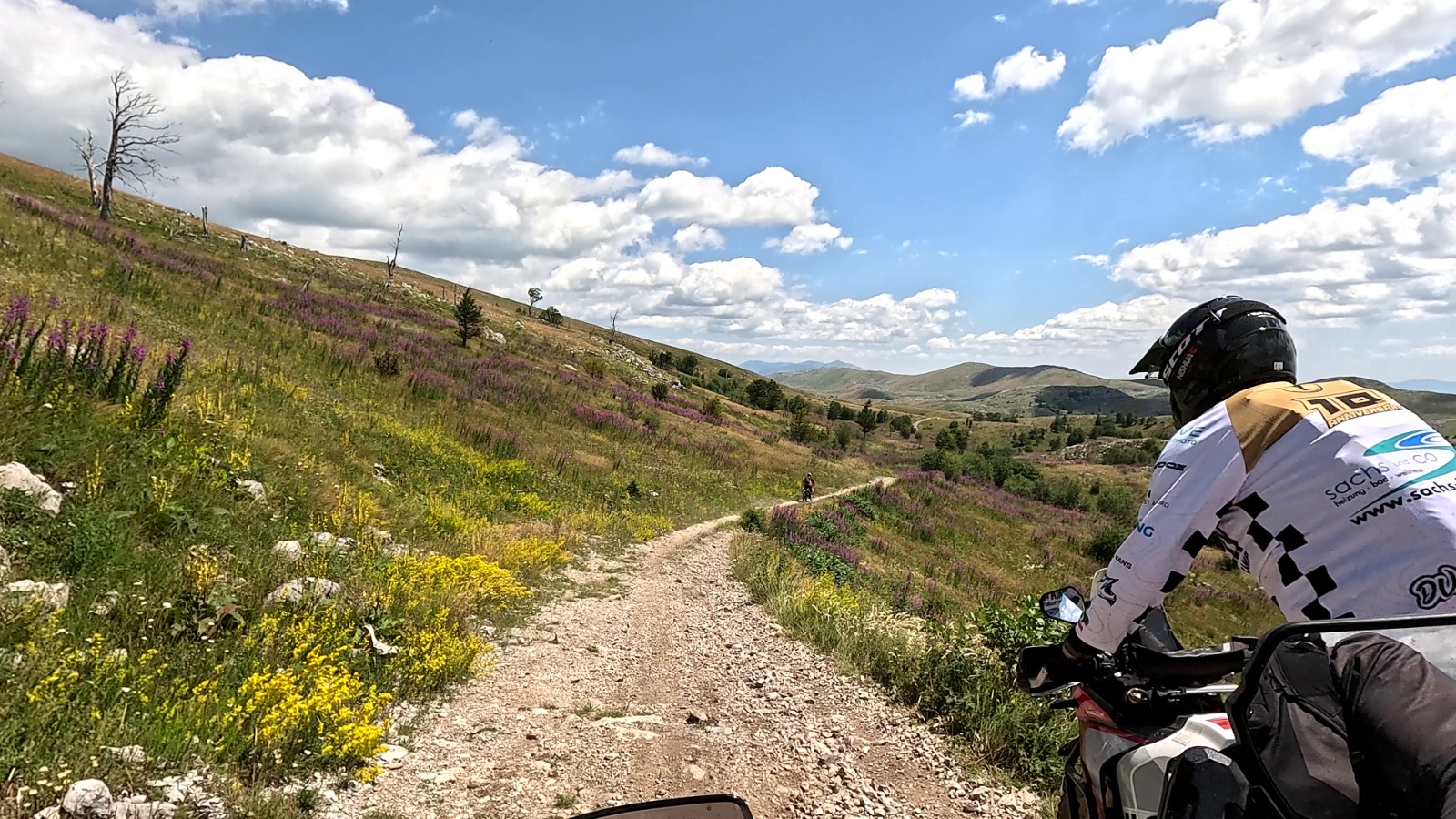
Conclusion
The Bosnia Rally 2026 was not a rally in the classic competitive sense, but a realistic roadbook training camp. It combined five long off-road stages with the landscape of the Kupres plateau: open uplands, fast gravel tracks, dense forests, rocks, mud, water and narrow trails.
The standard was high enough that off-road experience was expressly required. At the same time, the absence of timekeeping took a lot of pressure out of the event. This made it particularly suitable for riders who wanted to train rally navigation, long riding days and handling their motorcycle without immediately taking part in a genuine scored event.
The most defining story was therefore not a winner, but the concept itself: riders from more than 14 countries, from light rally bikes to heavy adventure enduros, together on demanding Bosnian tracks, with an emphasis on navigation, endurance and finishing rather than on seconds and trophies.