
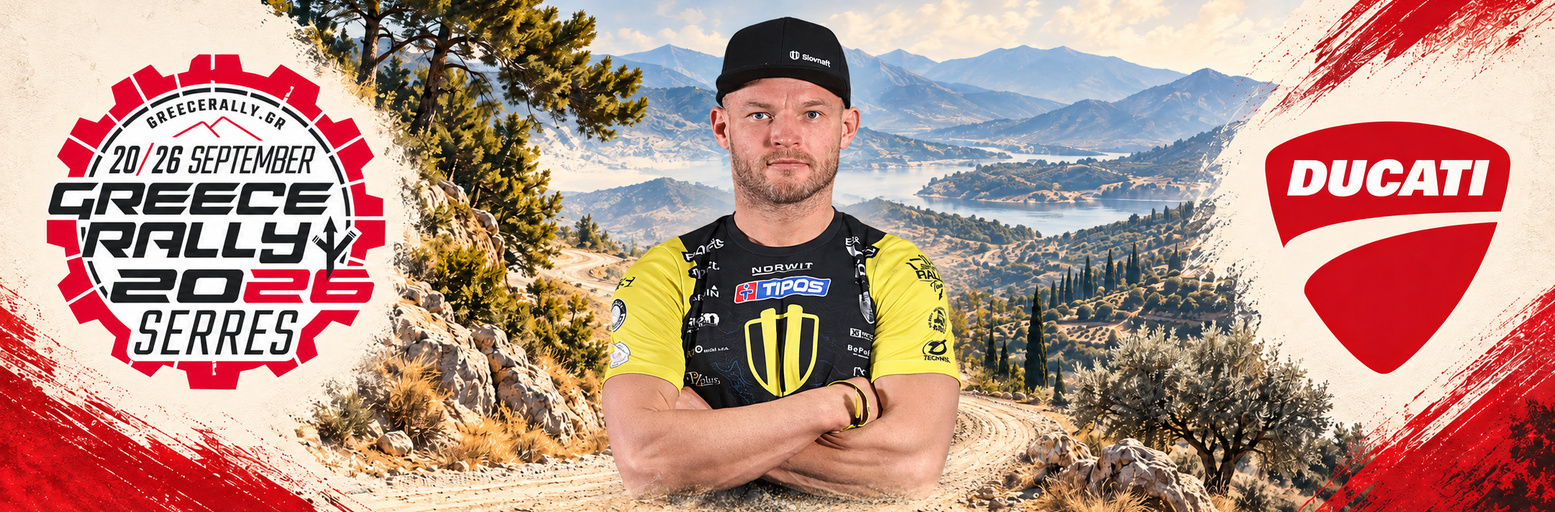
The Greece Rally 2026 is about to get under way, and Štefan Svitko is already generating talk before the first special stage. The 2016 Dakar runner-up and six-time Greece Rally winner has been announced on a Ducati. The rally week begins on 20 September with the prologue near Eleonas. For fans, two intriguing questions come together: who finds their rhythm straight away, and how will the experienced Slovak fare on the Italian motorcycle?
As of: 19 September 2026. Preview of the announced start; prologue results are not yet available at this point.
18 kilometres to start with
The organiser plans an 18-kilometre special stage near Eleonas on Sunday, 20 September. The rally’s start and finish base is the Elpida Resort & Spa in Serres. The event runs until 26 September. The details come from the official route overview; changes to the schedule remain possible.
The prologue provides a first sporting indication. For a reliable assessment of the balance of power, however, a short opening stage is only a beginning. Navigation, concentration and handling the motorcycle over long days will become considerably more important as the rally goes on.
Svitko on a Ducati: the special entry before the start
The Greek specialist outlet Enduro24 reported on 11 September that Štefan Svitko is entered with number 142 on a Ducati. It names the M2 class and a collaboration with Ducati Slovakia.
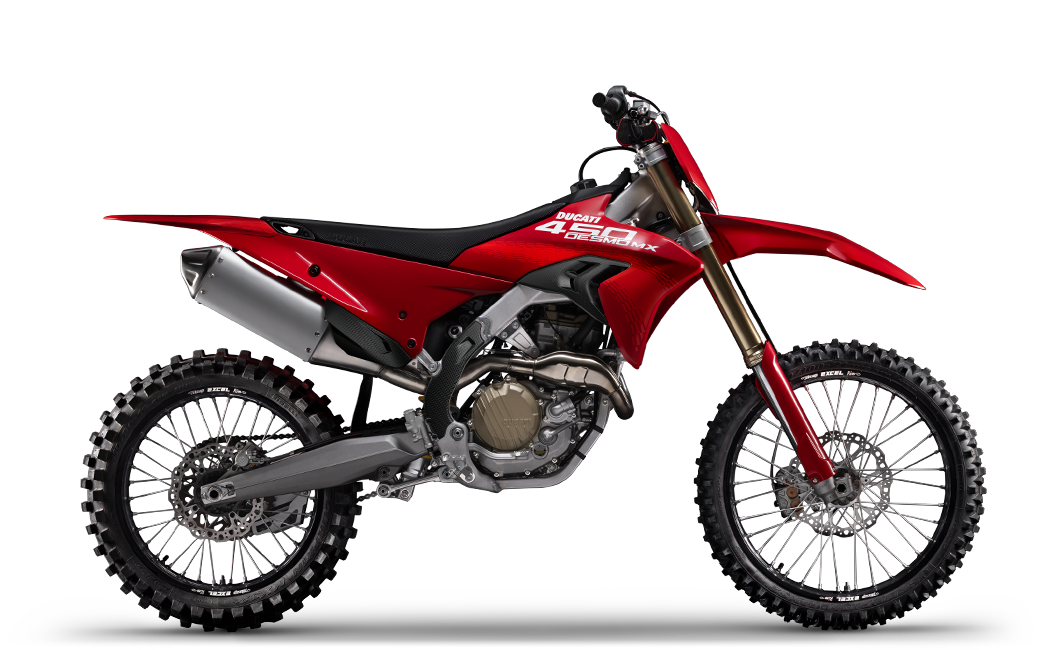
The wording on the model deserves a close look: Enduro24 expects the Desmo450 EDS. That is not yet a clear confirmation of the actual machine or its rally equipment. Nor can a Ducati factory team or a Dakar programme be inferred from this report.
In sporting terms, Svitko brings excellent credentials. According to the Slovak Motorcycle Federation SMF, he won the Greece Rally 2025 for the sixth time. He therefore returns as defending champion and could take a seventh overall win. It is precisely this experience that makes his announced Ducati participation interesting: a rider who knows the demands of this rally meets a new motorcycle set-up.
Who is Štefan Svitko?
Born on 26 June 1982 in Žaškov, Slovakia, Svitko is 44 years old at the start of the Greece Rally. His roots lie in enduro and cross-country; three European championship titles are part of his career. Away from the Dakar, too, he has won major rallies, including the Africa Eco Race in 2022. These milestones are documented in his official biography. In private life he is a father of two daughters and enjoys fishing, as his Dakar profile reveals.
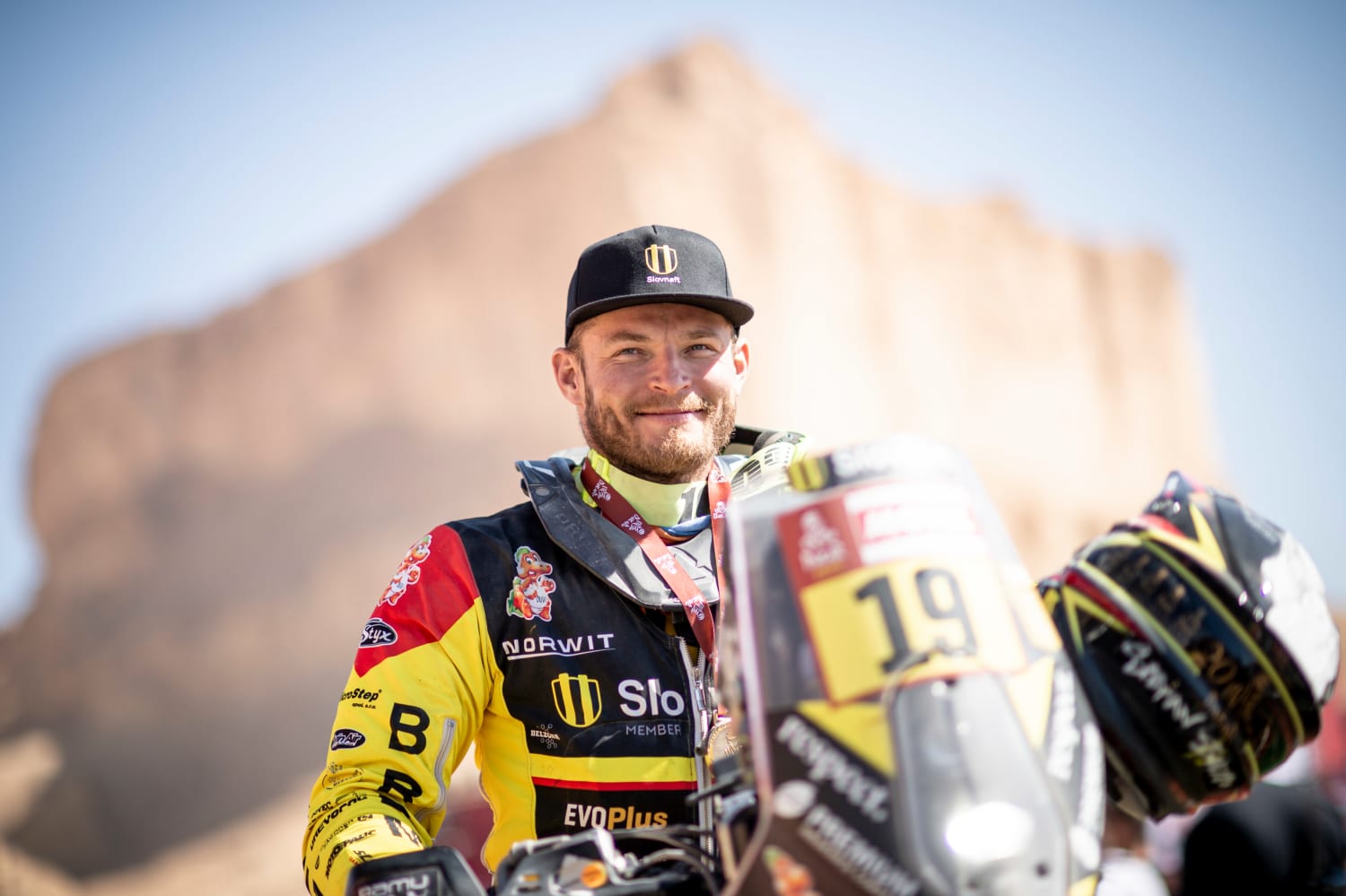
His Dakar story: from best rookie to podium finisher
2010 to 2015: The enduro specialist finds his place
Svitko’s Dakar story begins in 2010, when the rally was still held in South America. The Slovak finished his debut 13th in the motorcycle classification and as best rookie. His next start showed the other side of the race: in 2011 a technical defect forced him out on the eighth stage. But he came back. With fifth overall in 2012 and 2015 and ninth in 2014, he established himself in the leading group. The results are recorded in his career overview.
2016: Stage win and the greatest success of his career
On his seventh Dakar, Svitko made the decisive step. On the tenth stage he took his first Dakar stage win, documented in the KTM race report of the time. At the finish in Rosario he stood on the podium as runner-up in the overall standings. Only Toby Price was faster; Svitko’s deficit was 39 minutes and 41 seconds. This is confirmed by KTM’s final report.
To this day it is his best Dakar result and also the most successful performance by a Slovak rider. For Svitko and his Slovnaft team, 2016 thus becomes the benchmark for the rest of his Dakar career.
2017 to 2019: Setbacks are part of it
The podium was not followed by an unbroken run of success. In 2017 Svitko finished 25th, in 2018 he had to retire with a shoulder injury. In 2019 a motorcycle defect ended his rally on the eighth stage. Both retirements hit him from a promising position in the overall classification. His official review thus also shows how strongly injuries and technology shape a Dakar career.
2020 to 2025: Consistent in Saudi Arabia too
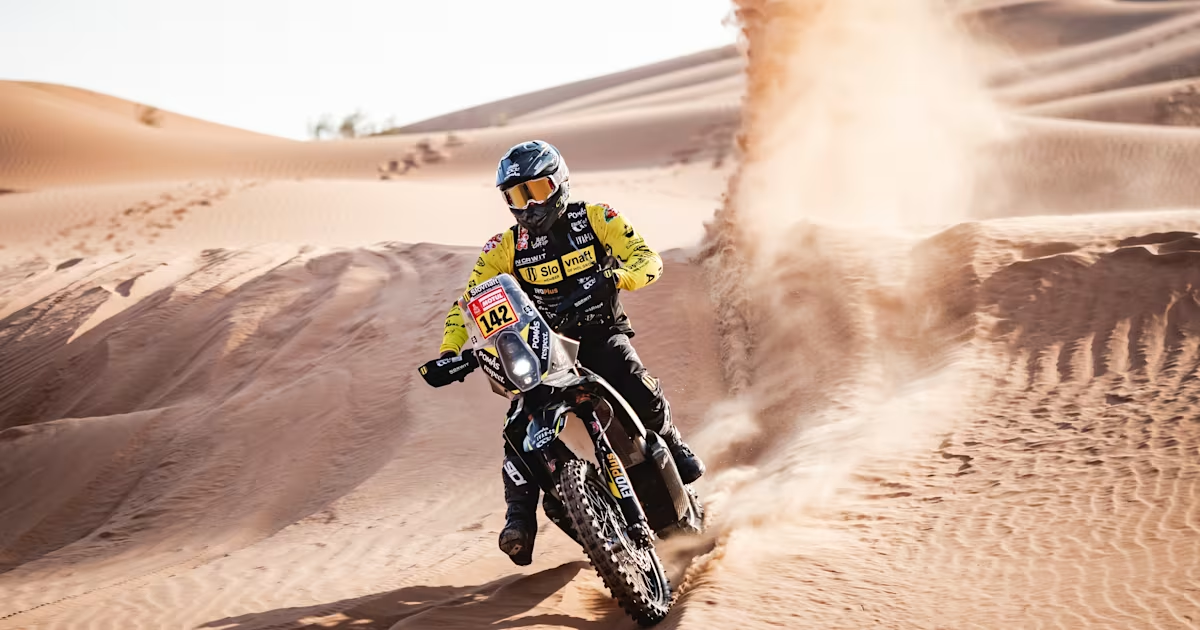
With the Dakar’s move to Saudi Arabia, a new chapter began in 2020. Svitko finished 11th, then eighth in 2021 and 12th in each of the following two years. In 2024 he returned to the top ten in ninth; tenth place followed in 2025. The results overview shows that he remained competitive long after his podium success.
2026: The 17th start ends early
In January 2026 Svitko contested his 17th Dakar, again for the Slovnaft Rally Team on a KTM 450 Rally Factory Replica. On the third stage he crashed after around 140 kilometres, injured his right shoulder and had to retire. This is reported by the Slovak Motorcycle Federation.
His official Dakar profile describes a rider somewhere between classic privateer and factory pilot, supported by a small crew. There, Svitko stresses discipline, consistency and thoughtful riding. That fits a career marked as much by top results as by the willingness to line up again after retirements.
It is precisely this history that makes his announced Ducati outing in Greece interesting. Svitko brings experience from two Dakar locations, an overall podium and many years on KTM. His feedback could be particularly revealing when it comes to rideability, navigation and durability over long stages. Whether the start leads to a longer-term collaboration remains open.
Why the Desmo450 EDS would be an interesting base
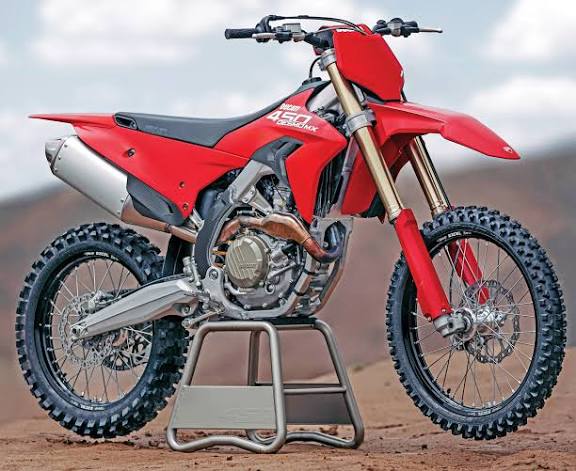
Ducati officially lists the Desmo450 EDS as an enduro model. Its features include a single-cylinder engine of 449.6 cubic centimetres, a six-speed gearbox, a 21-inch front wheel and an 18-inch rear wheel. The manufacturer states a fuel tank capacity of 8.5 litres.
For a rally, such an enduro base raises practical questions: How is the navigation device mounted? What range is needed? How do ergonomics and servicing procedures hold up over long riding days? These are points to watch for the possible entry, not conversions to Svitko’s motorcycle that have already been confirmed.
After the prologue the challenge grows markedly
As early as Monday, the organiser plans the Lailias stage with 283 kilometres of special stage. The two marathon days follow on 22 and 23 September; the Erymanthos Forest Village is planned as the overnight location. These key points of the official plan show how quickly a short opener turns into an endurance test.
To assess Svitko’s performance, it is therefore worth looking beyond the first day’s time. Will his performances remain consistent? Will navigation go without major time losses? How will the interplay of rider and motorcycle develop over several days? Only then does a more meaningful picture emerge.
Amateur riders should also keep an eye on Serres
The main competition is navigated by roadbook; separate GPS rules apply to the Rally Challenge and Adventure Ride. The organiser’s information on navigation makes clear that the Greece Rally demands more than pure speed.
A simple priority for your own preparation can be drawn from this: operating and reading the navigation must be as well practised as riding technique. A controlled start, a familiar cockpit and enough reserves for the following days make more sense for amateurs than taking their cue from the pace of a multiple winner.
The prologue opens the sporting story of this rally week. Svitko’s announced Ducati start gives it an additional technical angle. The first times will be exciting; how well the package works over a whole rally will become clear afterwards on the long stages of northern Greece.