Skip to content

Digital Roadbook vs. Paper

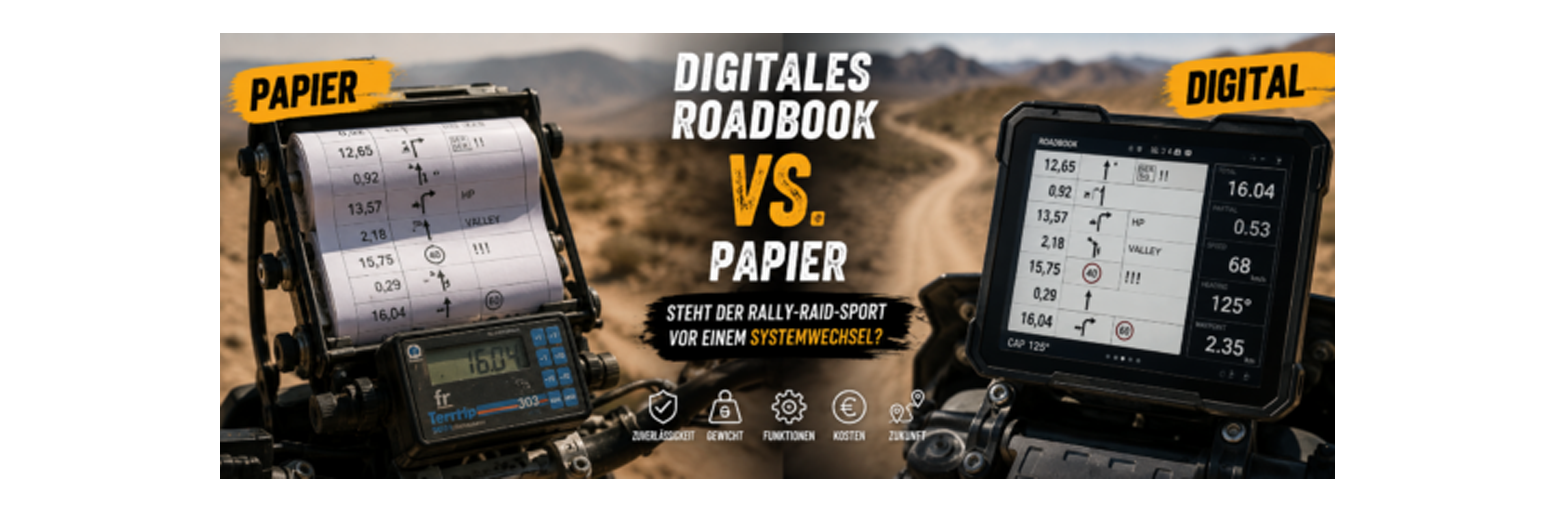
Digital Roadbook vs. Paper: Is Rally Raid Facing a Change of System?

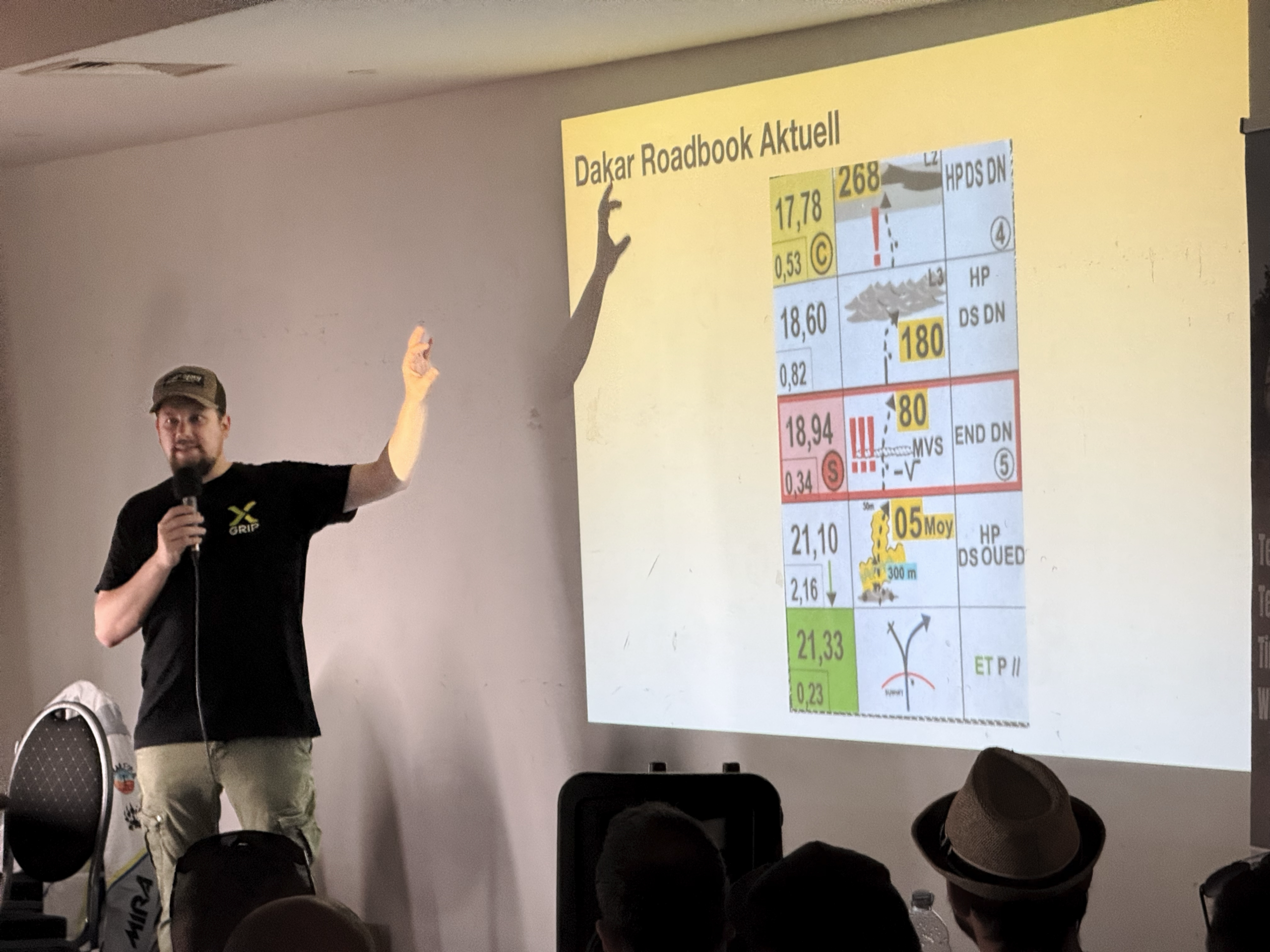
The roadbook is as much a part of rally raid as dust, long stages and navigation errors. For decades there was no doubt what it looked like: a paper roll in a roadbook holder, plus a tripmaster, switches and a great deal of routine.

But that picture is changing.

More and more digital systems are coming onto the market, new event formats are relying on electronic navigation, and established rallies now offer paper and digital side by side.

The question is therefore becoming ever more relevant:

Is the digital roadbook merely a supplement, or is a fundamental change of system in rally raid now beginning?

Why paper was the standard for decades

The classic rally roadbook is technically fairly simple. A paper roll with tulip symbols, distances, hazard warnings and navigation information is wound through a roadbook holder as the route unfolds.

There are normally one or more tripmasters and handlebar controls as well.

The system has some major advantages:

  • It is mechanically fairly simple.
  • The rider can see several navigation notes at the same time.
  • Many rally riders have known the system for years.
  • Mechanical problems can sometimes be repaired directly in the bivouac.
  • The system needs no complex software.

The Dinaric Rally also describes paper as a reliable solution and highlights in particular its good legibility in direct sunlight and its relatively easy repair.[1]
Why digital navigation is becoming more important all the same

Digital roadbooks can combine functions that, in a classic rally cockpit, are spread across several devices.

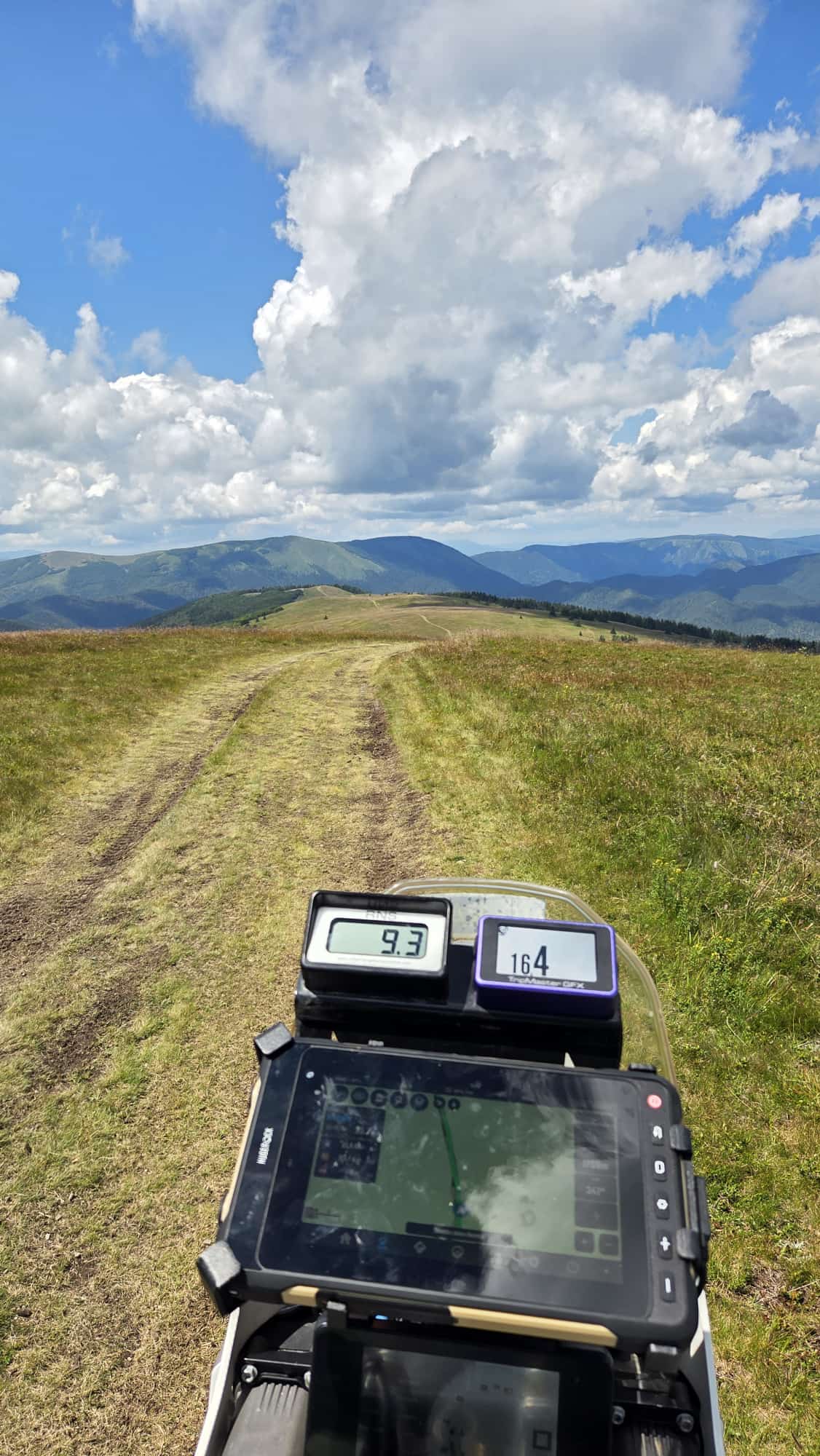
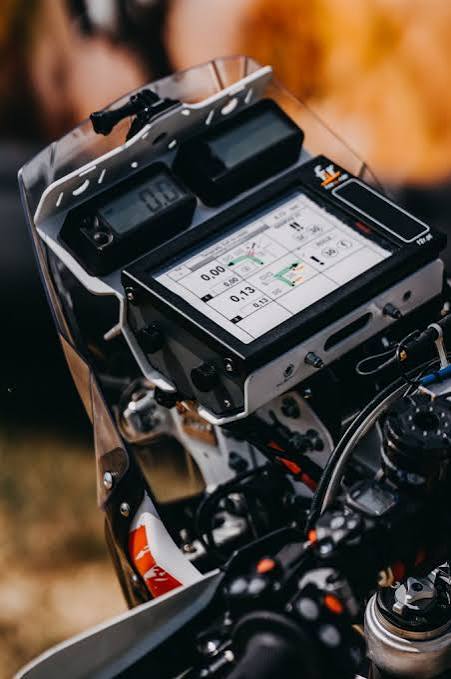
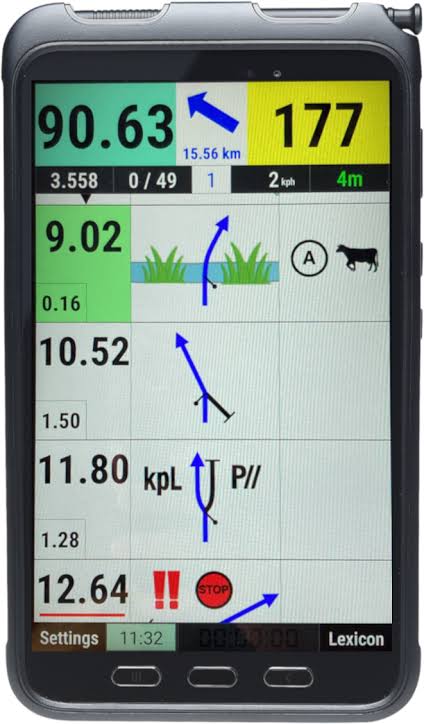
A current example is the F2R Y1000. The device combines a digital roadbook, total and partial distance counters, speed, CAP display and waypoint navigation in a single system.[2]

F2R itself puts the change unusually clearly. The manufacturer says the transition to digital navigation is no longer a vision of the future but is already under way.[3]

This is particularly noteworthy because F2R has been strongly associated with classic paper roadbooks for decades and still offers paper holders and traditional navigation solutions.

F2R develops the Y1000 specifically for rally raid

The Y1000 is not an ordinary outdoor tablet that has simply been fitted with a roadbook app.

F2R states that it developed the device over more than three years and has tested various prototypes under real riding conditions since February 2024. According to the manufacturer, more than 55,000 kilometres were covered during development.[2][3]

The technical features include:

  • CNC-machined aluminium housing
  • 4 mm display glass
  • high display brightness for direct sunlight
  • integrated GPS
  • Roadbook app
  • Total and partial distance counters
  • CAP display
  • Waypoint arrow
  • Wi-Fi and Bluetooth
  • Support for additional navigation apps

According to F2R, the device weighs around 1,300 grams.[2]

It would therefore be too simple to claim across the board that digital systems are automatically lighter than a classic rally cockpit. Whether digital saves weight depends on the complete set-up and on which individual devices it actually replaces.

The rally scene is in a transitional phase

The subject becomes particularly interesting when you look not only at the device makers but at the events themselves.

The Dinaric Rally 2026 allows three different roadbook variants:

  • Paper: classic paper roll
  • Digital: PDF
  • Digital: Terra Pirata

Participants must state at registration which variant they will use.[4]

The Dinaric’s overarching regulations also expressly stipulate that the roadbook is to be available both in print and digitally.[5]

This is a good example of the current situation in rally raid:

Paper is still established, but digital is long past being an exotic alternative.

New rally formats already think of navigation as digital

The trend is even clearer at new events.

The French Rally Moto TT was created as a new rally-raid-oriented competition format. Its premiere takes place in Saint-Palais in September 2026 and is intended to introduce riders to roadbook navigation under race conditions.[6]

New formats like this are interesting for future development.

After all, riders who gain their first rally experience with a digital roadbook may no longer automatically regard the paper roll as the standard.

Digital does not automatically mean better

However attractive electronic systems may seem, they have to work in rally raid under extreme conditions.

These include:

  • Heat
  • Cold
  • Dust
  • Water
  • Vibrations
  • Crashes
  • direct sunlight
  • long stages

F2R points to precisely these requirements in the development of the Y1000. According to the manufacturer, the device was designed specifically for heavy vibration, temperature fluctuations, sunlight and mechanical stress.[2]

The key question is therefore not whether a digital roadbook can theoretically do more.

The key question is:

How reliably does it work after several days of rally in real conditions?

Digital could be particularly interesting for Malle Moto

For riders without their own assistance team, every additional component matters.

A classic rally cockpit can consist of a roadbook holder, tripmaster, GPS, several switches, mounts and the corresponding wiring.

A system that combines several navigation functions in one device could, in theory, simplify the set-up.

Possible advantages would be:

  • fewer individual devices
  • fewer separate mounts
  • a tidier cockpit
  • fewer individual components that need maintenance

There is, however, an important counter-argument:

The more functions come together in one device, the greater the impact of a single device failure can be.

For Malle Moto riders in particular, the question of a sensible backup concept therefore becomes interesting.

Which is cheaper: paper or digital?

Price also merits a close comparison.

The F2R Y1000 currently costs around 1,795 euros as a single unit from the manufacturer.[2]

A classic rally cockpit, by contrast, often consists of several individual components: roadbook holder, tripmaster, switches, power supply and mounts.

The question “Which is cheaper?” therefore cannot be answered from the price of the device alone.

A fair comparison would require setting a complete analogue rally cockpit against a complete digital one.

For newcomers in particular this would be an interesting comparison, because the choice of navigation system often also affects the rally tower, wiring and future upgrades.

The digital roadbook could change the rally cockpit

The development therefore affects more than the roadbook itself.

If several functions come together in one central display, the whole layout of the rally cockpit may change.

This affects, among other things:

  • Rally towers
  • Mounts
  • Handlebar switches
  • Power supply
  • GPS systems
  • Tripmasters
  • Backup solutions

In the long term, digitalisation could thus also change rally kit makers and accessory suppliers.
Will the paper roadbook disappear?

There is currently no evidence of that.

On the contrary: events such as the Dinaric Rally still expressly offer paper, and F2R continues to sell classic roadbook holders alongside its new digital system.[1][7]

The interesting development at the moment is therefore not the “end of paper”.

Rather, a phase is emerging in which riders can choose between different systems and organisers increasingly support both worlds.

In future the key question could therefore be less:

“Will digital come?”

But rather:

When will digital become the normal standard for the majority of rally riders?

What does this mean for riders building a rally bike today?

Anyone who already has a working paper system currently has no obvious reason to scrap it straight away.

Anyone who is just building their first rally motorcycle, on the other hand, should take the development into account.

After all, a motorcycle should ideally work at different events.

Modular rally cockpits that can be converted between paper and digital navigation with manageable effort could therefore be an increasingly interesting solution.

This raises a new question when building a rally bike:

How future-proof is my navigation cockpit?

The change is happening step by step

The switch from paper to digital will probably not happen on a single date.

Instead, we are currently seeing several developments at once:

  • traditional manufacturers are developing digital devices
  • existing rallies offer paper and digital in parallel
  • new event formats are relying more heavily on electronic navigation
  • riders can increasingly build their cockpit in a modular way

That makes the subject particularly interesting right now.

For what seems a small change from a paper roll to a display could, in the long term, grow into one of the bigger technical changes in amateur and rally raid sport.


Make It Rally Watchlist: Digital Roadbook

  • F2R Y1000: How does the system hold up over complete multi-day rallies?
  • Organisers: Which rallies will switch completely to digital navigation?
  • Paper + digital: How long will both systems coexist?
  • Malle Moto: Can integrated systems really simplify the cockpit?
  • Reliability: Which digital systems keep working reliably after dust, rain, vibrations and crashes?
  • Costs: What does a complete analogue rally cockpit cost compared with a digital one?
  • Rally towers: How will larger central displays change future cockpit designs?

Sources

  1. Dinaric Rally – Navigation Equipment / FAQ: organiser’s statements on paper and digital roadbooks and the advantages and disadvantages of each system. dinaricrally.com
  2. F2R – Y1000 product page: technical data, integrated functions, weight, tests and current manufacturer’s price. F2R Y1000
  3. F2R – The New Era: background to the development of the Y1000 and F2R’s assessment of the development of digital roadbook navigation. F2R – The New Era
  4. Dinaric Rally – Supplementary Regulations 2026: available roadbook options: paper, digital PDF and Terra Pirata. Dinaric Rally Regulations 2026
  5. Dinaric Rally – Annual Supplement 2026: requirement that roadbooks be provided in both printed and digital form. Dinaric Rally Annual Supplement
  6. Rally Moto TT: information on the new French rally raid and roadbook competition format. rallymotott.com
  7. F2R product range: current offering of digital navigation devices and classic paper roadbook holders. F2R

Information as of August 2026. Statements about the future and assessments in the article are editorial analysis by Make It Rally and are expressly distinguished from confirmed manufacturer and organiser information.
Published inAllgemein

Honda Gets Serious

Honda Gets Serious: Why the New Rally2 Team Is More Than a Development Project

While most attention in the World Rally-Raid Championship is focused on the RallyGP stars of KTM and Honda, HRC is building something one level below that could be at least as interesting for the future of the sport: its own Rally2 works team.

With the Monster Energy Honda HRC Rally2 Team, Honda has created a dedicated structure for the second-highest motorcycle class of the World Rally-Raid Championship for the first time in 2026. And the first results suggest that this is evidently far more than a youth project for marketing purposes.

Honda Builds Its Own Talent Ladder

Until now, Honda’s rally raid programme consisted mainly of a high-calibre RallyGP team. Riders such as Ricky Brabec, Tosha Schareina and Adrien Van Beveren fight for Dakar victories and the W2RC title on the CRF450 Rally.

Below that, however, a development step of its own was missing. Honda is now closing exactly that gap with Rally2.

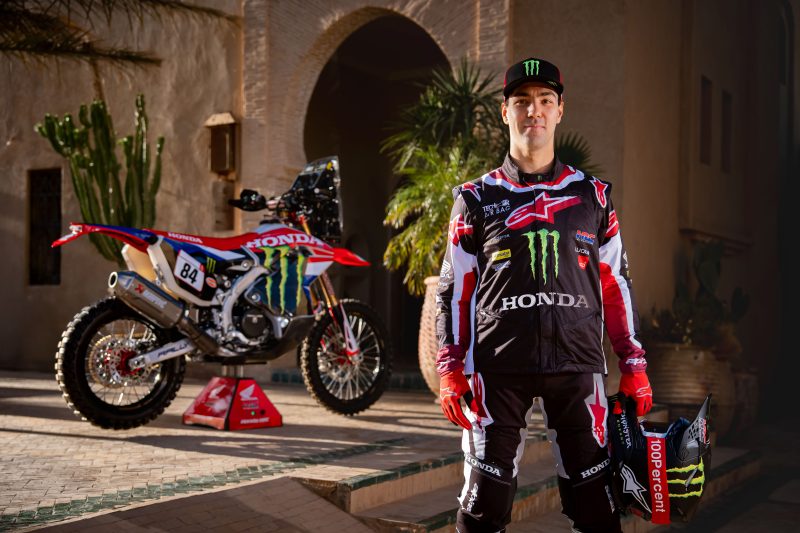
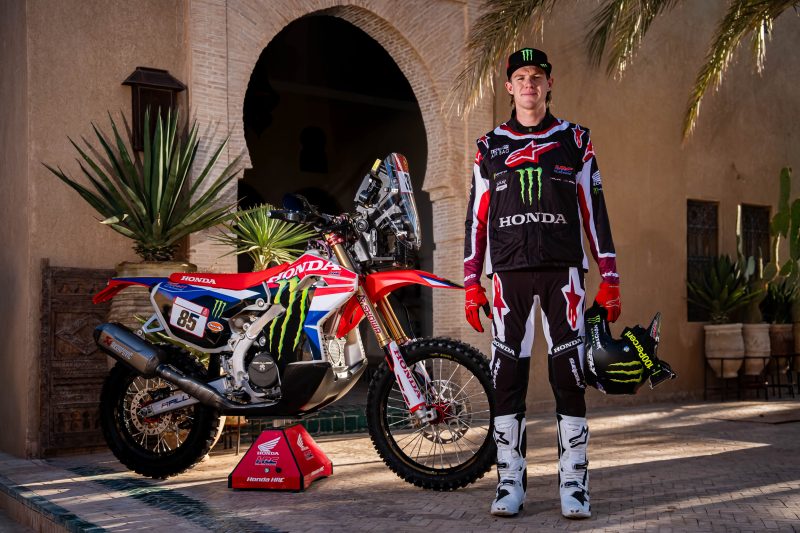
The initial line-up includes the Portuguese rider Martim Ventura and the American Preston Campbell. When presenting the team, Honda stated its aim quite clearly: to develop young riders and, at the same time, to strengthen the long-term future of its own rally raid programme.

Later, the Brazilian enduro specialist Bruno Crivilin joined as another interesting rider. Honda therefore has three talents within its own system who can develop under real rally raid conditions.

The Results Are Coming Faster Than Expected

That Honda takes the project seriously in sporting terms was shown at the latest by the Desafío Ruta 40 2026 in Argentina.

Martim Ventura won the Rally2 classification there. Team-mate Bruno Crivilin finished second, Preston Campbell fourth.

On one of the stages, Honda even achieved a complete Rally2 sweep: the three HRC riders took the first three places between them.

That is remarkable for a programme still in its first season.

So Honda is not only developing riders. At the same time, the company is gathering data on the motorcycle, navigation, set-up and the demands placed on young riders under genuine W2RC conditions.

The Bike Is Almost as Interesting as the Riders

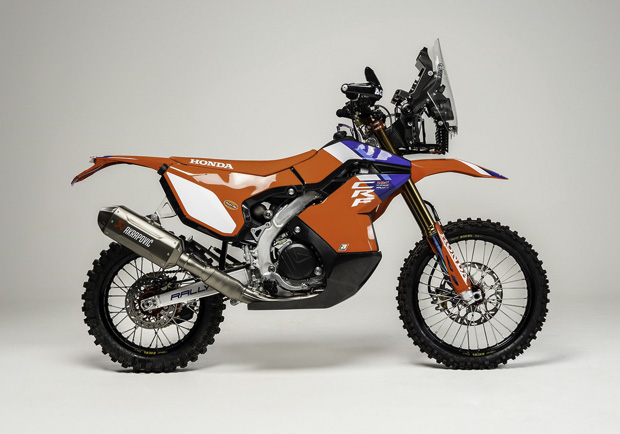
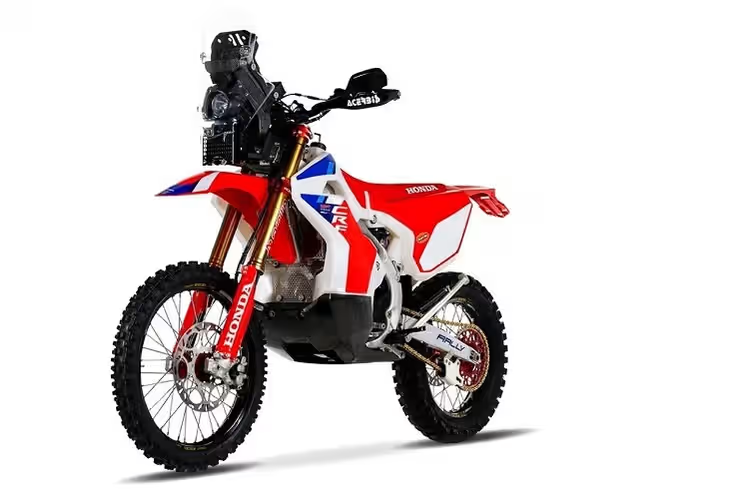
The team does not ride the RallyGP factory machine of Brabec or Schareina, but the Honda CRF450RX Rally.

And this is exactly where the project also becomes interesting for ambitious privateers.

The CRF450RX Rally is based much more closely on a production off-road motorcycle than the highly specialised CRF450 Rally of the RallyGP team. Honda cites, among other things, a frame based on the CRF450R and a fuel capacity of around 36 litres.

  • CRF450 Rally: uncompromising RallyGP factory motorcycle
  • CRF450RX Rally: Rally2 and development platform

The exciting question now is what Honda has in mind for this machine in the long term.

Will it remain exclusively an HRC development motorcycle? Or will it eventually become a platform that is also available to customer teams and privateers?
The second route in particular would be highly interesting for the Rally2 scene.

Rally2 Is Becoming Ever More Strategically Important

Rally2 is often regarded as the “second division” below RallyGP. In fact, though, the class is increasingly becoming the most important stepping stone into professional rally raid.

Michael Docherty is a good example. After strong Rally2 performances with BAS World KTM, he moved to the works programme at Hero MotoSports in 2026.

Tobias Ebster has also taken a similar path: from successful privateer via Rally2 and Hero to the new ZXMOTO works project.

This creates a problem for manufacturers: anyone who only looks for talent once it dominates Rally2 is competing with every other works team for the same riders.

Honda is now solving this problem differently: HRC is trying to develop the talent itself.

Ventura, Campbell or Crivilin – Who Will Make the Leap?

That means an interesting story is already beginning within the new team.

Martim Ventura has shown with his win in Argentina that he can win Rally2 races at W2RC level.

Preston Campbell brings a remarkable off-road family story. His father Johnny Campbell is among the best-known American off-road racers and is closely linked to Honda’s motorsport history.

Bruno Crivilin, in turn, comes from enduro and brings a different riding background to the programme.
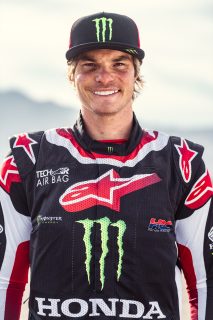

Three riders. Three different paths into rally raid. And possibly all three are chasing the same goal in the long term:

A place in the Honda RallyGP team.

That is precisely why it should be interesting to see who is the first to get test kilometres on the big CRF450 Rally.

Honda Is Not Simply Copying KTM

At first glance, the strategy recalls the system with which KTM has been developing riders for years. The difference lies in the structure.

KTM has a large network of customer teams and Rally2 structures. Teams such as BAS World KTM have repeatedly produced riders who later became interesting to works teams.

Honda is now bringing this development step more firmly in-house.

That means more control over rider development, the motorcycle, data and training methods.

And this may create direct competition for the best young rally raid riders:

KTM customer racing against Honda works youth.

For Rally2, this could become a decidedly interesting development.

What Does This Mean for Amateur Riders?

At first glance, little. An HRC Rally2 team is still a long way from a rider who is just planning their first roadbook rally.

In the long term, the project could nevertheless have an impact. After all, rally raid needs a clear career ladder.

Roadbook training → amateur rally → larger international rally → Rally2 → works team → RallyGP.

The stronger Rally2 becomes, the more interesting this ladder also becomes for ambitious privateers.

It would therefore be particularly exciting if Honda were one day to use its CRF450RX Rally not exclusively for its own works team, but gave customer teams access to a comparable platform.

That would be a real challenge to the Rally2 world, which is currently strongly shaped by KTM. For now, however, that remains wishful thinking.

The Real Story Is Only Just Beginning

The results of the first season are impressive. But the more important question is not how many Rally2 stages Honda wins in 2026.

The decisive question is:

What happens to the riders afterwards?

If Ventura, Campbell or Crivilin actually make the leap into the RallyGP works team within the next few years, it would prove that Honda has built a functioning talent pipeline of its own.

And if the CRF450RX Rally eventually also becomes a genuine customer motorcycle or a platform for further Rally2 teams, the project could have a much greater impact still.

That is why it is worth watching Honda Rally2 closely.

For while Brabec, Schareina, Sanders and Benavides fight over seconds at the front, the next generation of rally raid stars could be emerging in the class behind.


Make It Rally Watchlist

  • Martim Ventura: Can he confirm his Rally2 wins?
  • Preston Campbell: How quickly will he develop in international rally raid?
  • Bruno Crivilin: Will he remain a permanent part of the HRC Rally2 project?
  • CRF450RX Rally: Will it remain a pure factory machine, or will Honda open up the platform?
  • RallyGP test: Who gets to ride the Honda CRF450 Rally first?

Sources: Honda Racing Corporation / Monster Energy Honda HRC, World Rally-Raid Championship (W2RC), official results of the Desafío Ruta 40 2026.

Published inAllgemeinNewsRally

3/3 – FIM Bajas World Cup

The FIM Bajas World Cup is an international off-road racing series for motorcycles, quads and large adventure bikes. A Baja is more compact than a classic rally raid: events usually run over a few days on long, fast stages through desert, gravel and rough terrain. Navigation, endurance and reliability are decisive.

Classes

Class/Classification

Motorcycles / Riders

In brief

🏍️ 450 cc

Single-cylinder up to 450 cc

The classic rally Baja main class; KTM, Husqvarna, Honda, Sherco etc.

🏍️ Trail

Multi-cylinder, over 600 cc, min. 165 kg

Large adventure bikes such as the Triumph Tiger, Yamaha Ténéré etc.; top speed limited to 130 km/h

👦 Junior

Riders up to the prescribed age limit

Additional rider classification; e.g. Alex McInnes and Ethan Lane

👩 Women

Female riders

Separate women’s classification; e.g. Sara García

👨‍🦳 Veteran

Older riders

Separate age-group classification

👥 Moto Teams

Teams of Moto riders

New for 2026; the two best riders of a team score points

🛞 Quad

Quads

Its own FIM Bajas World Cup, separate from the motorcycles

In 2026, a team classification for motorcycles was introduced for the first time. A team must field at least two riders with the same FIM team licence. At each round, the points of the two best-placed team riders are added together. Another important point: to be officially classified, a rider must complete the entire final day of the event, including stages and liaison sections, and bring the motorcycle into the final parc fermé on time.

2026 points system

At each round, points are awarded according to placing within the respective category or class:

25 – 20 – 16 – 13 – 11 – 10 – 9 – 8 – 7 – 6 – 5 – 4 – 3 – 2 – 1 (1 point from 15th place)

No additional points are awarded for the overall “scratch” result across all classes. A rider can therefore, for example, score points for his Moto category and also for a special classification, provided he is eligible for it.

As the 2026 calendar comprises seven rounds, only the six best results count at the end of the season. The worst result thus becomes a discard. If six or fewer rounds are actually held, however, all results would count. In the event of a tie on points, the following decides:

  1. the greater number of wins,
  2. then the greater number of second places, third places and so on,
  3. finally the better result at the last round.

History of the series

The present-day FIM Bajas World Cup has been run as an international FIM series since 2012. It emerged as a more compact counterpart to the very long cross-country rallies and rally raid events. The term “Baja” stands for short, intense off-road rallies, normally held over one to two racing days plus a possible prologue. Their sporting roots lie in classic desert and long-distance races: fast tracks, sand, rocks, roadbook navigation and a mix of special stages and public liaison sections. Compared with the Dakar, the events are shorter and logistically more manageable, but remain demanding for the riders.In the early years the emphasis was strongly on classic rally motorcycles and quads. The format was expanded later.

The series has also broadened geographically. Traditional European rounds such as Aragón and Portuguese Bajas are now combined with events in the Middle East, for example in Saudi Arabia, Jordan, Qatar and Dubai. In 2026 the World Cup season comprises seven rounds in six countries and on two continents. For ambitious motorcycle riders, the series is thus a kind of link between national rally raid sport and the World Rally-Raid Championship: shorter races, but with FIM regulations, professional timekeeping, GPS monitoring and international competition.

Standings as of 31 July 2026

After three rounds, the Emirati Mohammed Al-Balooshi on a KTM leads the 450 cc main class with 90 points. In total, the FIM currently lists 66 registered riders in this class. The rounds so far were:
Saudi Baja Hail – Alex McInnes won the season opener.

Jordan Baja – McInnes won again and, with two victories, took the early lead in the standings.
Baja TT Dehesa Extremadura, Spain – victory for young Briton Ethan Lane ahead of Sara García, Paulo Cardoso, Abdulhalim Al-Mogheera and Mohammed Al-Balooshi.

Extremadura was particularly remarkable: in temperatures of around 39 °C, Sara García led the overall classification for a time and ended up second in the motorcycle classification and winner of the women’s class. Alex McInnes crashed in the prologue and was unhurt, but lost his chance of victory through a time penalty.

Rider Nation Motorcycle/make 2026 Role in the Baja series Dakar/rally raid background
Mohammed Al-Balooshi 🇦🇪 UAE KTM/Husqvarna* 🏆 Defending champion, 4× World Cup winner Very experienced rally raid/Dakar rider
Alex McInnes 🇬🇧 GBR KTM ⭐ One of the strongest young riders, Junior Young rally raid talent, on the way to bigger rallies
Abdulhalim Al-Mogheera 🇸🇦 KSA KTM 🥈 Consistent front-runner Strong desert/rally raid rider
Ethan Lane 🇬🇧 GBR KTM 🌟 Junior, Extremadura 2026 winner Up-and-coming rally raid talent
Konrad Dąbrowski 🇵🇱 POL KTM ⭐ Very fast junior/youngster Extensive rally raid experience
Sara García 🇪🇸 ESP Yamaha ♀️ Front-runner; P2 overall in Extremadura Multiple Dakar participant
Joanna Modrzewska 🇵🇱 POL Triumph ♀️ Led the women’s classification ahead of Aragón Rally raid on a large adventure bike platform
Tosha Schareina 🇪🇸 ESP Honda 🚀 Guest starter/top favourite at Aragón Honda factory rider, top Dakar rider
Lorenzo Santolino 🇪🇸 ESP Sherco 🏆 2025 Aragón winner Sherco factory rider and Dakar veteran
Bradley Cox 🇿🇦 RSA Sherco 🚀 International top rider Top Dakar/rally raid rider

Remaining 2026 calendar

Round Date Event Location/Country Status
1 29–31 January Saudi Baja Ha’il, Saudi Arabia finished
2 12–14 February Jordan Baja Aqaba, Jordan finished
3 19–20 June Baja TT Dehesa Extremadura Badajoz, Spain finished
4 11–13 September Baja Aragón Teruel, Spain postponed
5 28–31 October Baja Qatar Doha, Qatar pending
6 5–8 November Dubai International Baja Dubai, UAE pending
7 13–15 November Baja Escuderia Castelo Branco Castelo Branco, Portugal Pending

Important changes: the Baja Castelo Branco was originally scheduled for 10–12 April and was postponed to 13–15 November because of severe storm damage. The Baja Aragón was originally due to take place on 24–26 July, but was moved to 11–13 September 2026. The season thus comprises seven rounds in six countries on two continents.

Key riders 2026

  • Mohammed Al-Balooshi (UAE, KTM) is the big name of the series. He is a four-time FIM Bajas World Cup winner and the defending champion. His strength is above all his enormous experience and consistency over a full season.
  • Alex McInnes (GBR, KTM) belongs to the young generation and was extremely strong at the start of the season. After Saudi Arabia and Jordan he led with 50 points; before the originally planned Aragón round he stood at 58 points. He also leads the junior classification by a clear margin.
  • Abdulhalim Al-Mogheera (Saudi Arabia, KTM) is another regular front-runner. Before Aragón he was second with 46 points, ahead of Al-Balooshi. In Extremadura he finished fourth.
  • Ethan Lane (GBR, KTM) is particularly interesting for the future. The junior won the Baja TT Dehesa Extremadura in June, ahead of Sara García, Paulo Cardoso, Al-Mogheera and Al-Balooshi.
  • Sara García (ESP, Yamaha) is one of the most interesting female riders in the series. In Extremadura she even led the overall classification for a time and finally finished second among all motorcycles as well as winning the women’s classification.
  • Konrad Dąbrowski (POL, KTM) is also one to watch. He belongs to the fast European rally raid contingent and returned in 2026 after an injury.

They are joined by riders such as Tosha Schareina (Honda), Lorenzo Santolino (Sherco) and Bradley Cox (Sherco). They do not necessarily ride every World Cup round, but can fight for the overall Baja win straight away when they start. Schareina, for instance, is a three-time Aragón winner.

Published inAllgemein

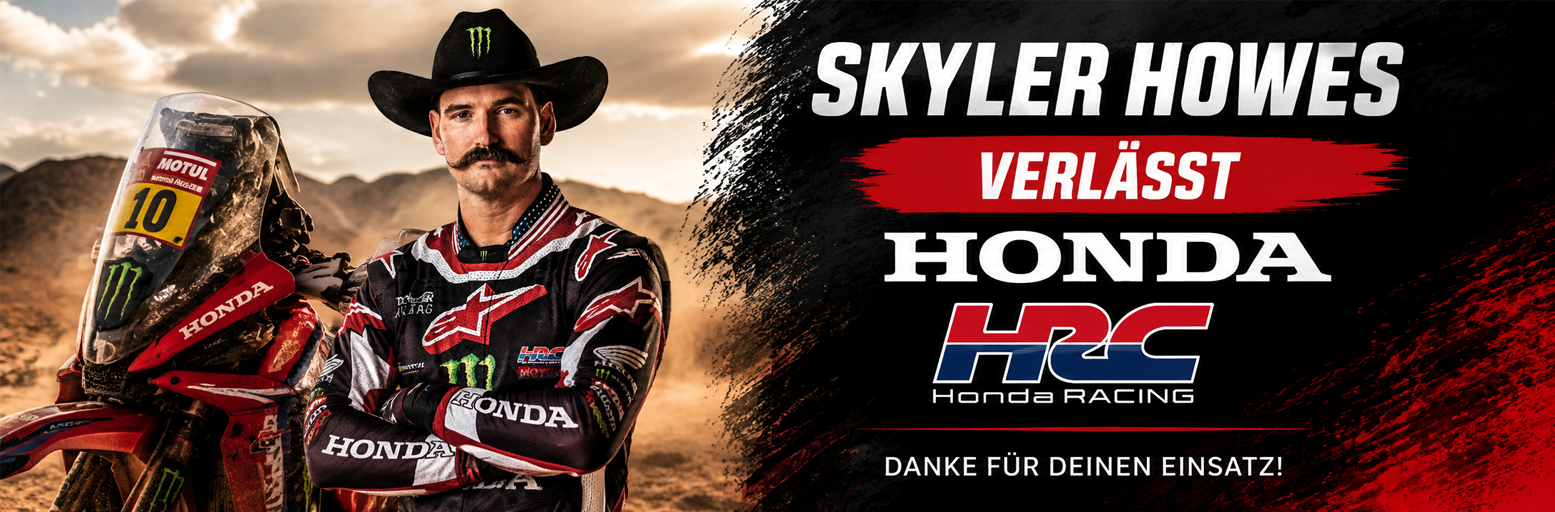
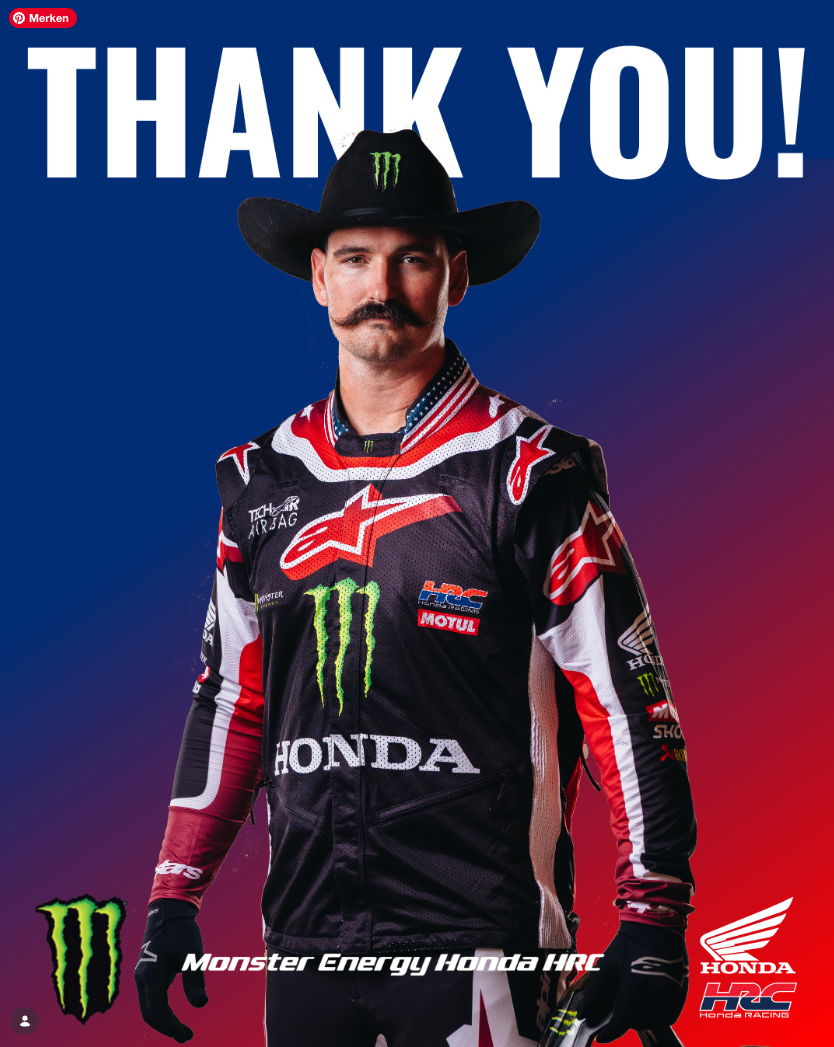
Skyler Howes leaves Honda HRC

Skyler Howes leaves Honda HRC: a special chapter ends after three years

After three years together, it is over: Skyler Howes and Monster Energy Honda HRC are going their separate ways. At the end of June 2026, Honda officially confirmed the end of its collaboration with the American. The background remains unclear – both sides will merely take “different directions”.

To Honda HRC’s official statement

It ends a partnership that began in 2023 with high expectations. Howes joined Honda at the time as one of the most sought-after rally raid riders. Shortly before, he had celebrated the biggest success of his career to date at the 2023 Dakar, finishing third overall. Honda signed him as reinforcement for its already star-studded factory team.

Three years in the strongest rally team in the world

For Howes, the move to HRC was more than just a new contract. The American had learned to ride a motorcycle as a child on a Honda XR75 and accordingly described joining the Honda factory team as a highlight of his career.

In sporting terms, however, the following years did not always go to plan. Howes regularly showed his speed but also had to cope with setbacks. In a team with riders such as Ricky Brabec, Adrien Van Beveren and Tosha Schareina, the internal bar was extremely high.

In 2026, too, Howes initially remained part of the official RallyGP line-up of Monster Energy Honda HRC. At the Dakar he won a stage – another sign that the American is competitive at the highest level.

At the end of May, Howes was still riding the CRF450 RALLY at the Desafío Ruta 40. He finished the rally fifth overall and afterwards said the team had worked intensively on the bike’s setup during the event. At that point he was still looking ahead to further testing and the coming races.

Only about a month later, the split followed.

Honda thanks Howes

In its official statement, Honda gave no details of the reasons. HRC instead thanked Howes for his effort, commitment and professionalism during his three seasons with the team.

The American had been an important part of the RallyGP programme and had contributed his experience both on and off the bike.

The time together of Skyler Howes and Monster Energy Honda HRC has come to an end. Honda particularly acknowledged his effort, his professionalism and his contribution to the RallyGP programme.

Howes himself also confirmed the end of his time at HRC and made clear how much this chapter meant to him. He said his time as a rider for the HRC rally team was over and that he had invested a great deal of energy and work in those years.

That the split comes immediately after the Desafío Ruta 40 makes it all the more surprising. While still in Argentina, Howes had spoken publicly about progress with the bike and the team and had already turned his attention to the rest of the season.

What next for Skyler Howes?

The big question now is: Where will we see Skyler Howes next?

A rider with his experience is likely to be of interest to several rally raid projects. Howes is a Dakar podium finisher and stage winner with years of experience at factory level. He has also repeatedly proved that he can not only ride fast but also master difficult rallies with navigation and tactical understanding.

At the time of the split, however, no new team had yet been officially announced. Speculation about his sporting future should therefore be treated as just that.

What is certain: Howes apparently has no intention of ending his career any time soon. And a rider of his calibre would be an interesting reinforcement for practically any ambitious rally raid project.

An unusual partnership ends for Honda

Looking back, Skyler Howes’ time at Honda remains a story with many strong moments, but also with the feeling that the really big result never came.

When Howes joined HRC, he was one of the hottest names in the scene after his third place at the 2023 Dakar. At Honda he then met one of the strongest line-ups of riders in international rally raid.

His speed flashed again and again – right up to the Dakar stage win in 2026 – but the big overall success with the CRF450 RALLY eluded him.

Now a new chapter begins for both sides.

Honda will continue to focus its RallyGP project on the fight for Dakar and W2RC wins. For Skyler Howes, meanwhile, one of the most exciting phases of his career begins: the search for a new home.

One thing is likely certain: the last chapter of Skyler Howes’ rally raid career is far from written.


Sources:
Monster Energy Honda HRC – Skyler Howes and Monster Energy Honda HRC follow different directions
Instagram skylerhowes110

Published inAllgemein

Next Rally: Dinaric Rally Preview

Dinaric Rally starts this weekend in Croatia, near Knin. Going through the start list, I noticed a few things worth reporting:

  • Dinaric is full of German-speaking riders, and several of them are riding Malle Moto. In total, 35 riders come from the DACH region.
  • For 2026, Dinaric has introduced fairly clear rules for Malle Moto. External assistance is banned. The motorcycles are kept in a separate parc fermé. Riders may only store limited equipment and spare parts, and have defined time windows in which to work on the motorcycle themselves.
  • In addition, there is a UNTAMED Academy Trophy, either for the first time or explicitly, for riders who have previously completed the corresponding rally training.

I am looking forward to an exciting rally and will report not only here but also in the monthly podcast MakeItRally.

Published inAllgemeinNewsRally

Tobi Ebster a factory rider again

He was a Hero factory rider in 2025/early 2026 and contested Dakar 2026 for Hero. After his crash and scaphoid fracture, however, his contract with Hero was not renewed; in May it was reported that he had several new options.

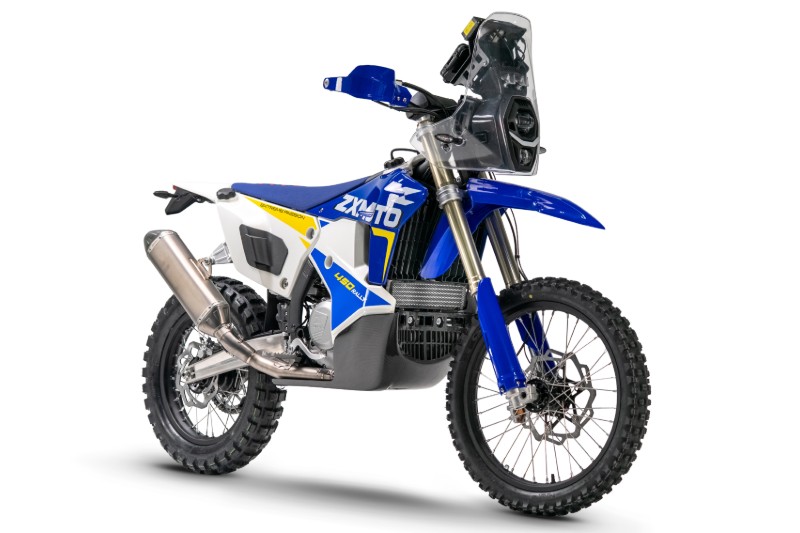
Yes, and it has now been officially confirmed. The announcement only came on 12 August 2026, which is why the matter was not clear-cut beforehand: Tobias Ebster is a factory rider for ZXMOTO. The manufacturer has teamed up with Spain’s Joyride Race Service; the team will compete as the ZX Moto Factory Rally Team.

The bike: ZXMOTO 450 Rally

The key figures known so far are quite interesting: a 449 cc single-cylinder engine, around 60 hp and 128 kg. ZXMOTO describes the 450 Rally as developed without compromise for rally raid; the bike also comes from the circle of engineers who already have experience with Dakar bikes.

The background makes the project particularly exciting: ZXMOTO founder Zhang Xue was previously a co-founder of Kove and played a major part in its Dakar project. He left Kove in 2024 and then founded ZXMOTO.

ZXMOTO 450 Rally rally raid motorcycle, the bike Tobi Ebster will ride

The plan with Ebster

This is not a pure privateer deal. Joyride runs the factory programme for ZXMOTO, and Ebster has been signed as its top rider. Tests with the 450 Rally have already taken place in Spain.

The first real test is due soon: the Rallye du Maroc from 28 September to 3 October 2026. It is also the project’s planned entry into the World Rally-Raid Championship. The big goal after that is Dakar 2027.

And that is exactly what I find interesting about Ebster: he apparently is not just supposed to ride the bike, but is likely to play an important role in the development of the new factory bike.

Against the KTM 450 Rally Replica/Factory, Honda CRF450 Rally and Hero 450 Rally, ZXMOTO will of course still be an outsider at its first Dakar. But 60 hp at 128 kg is, going by the basic figures, certainly in the right range. The far bigger uncertainty is likely to be reliability over two Dakar weeks: engine, navigation tower, electrics, suspension and above all fast spare-parts supply must first prove under race conditions that they work.

For Tobi this could nonetheless be a really good opportunity: at KTM he would probably be one of several strong riders. At ZXMOTO, by contrast, he is one of the central riders of a new factory team from the outset.

An interview about this new, positive development can be heard on the Dakar.FM Podcast.

Published inNewsRally

RO Rally Marathon 2026

The RO Rally Marathon was held from 10 to 18 July 2026 around Râmnicu Sărat in eastern Romania. It was the third round of the FIM Europe Tout Terrain Rally Cup and, in 2026, the event’s first year as part of this European cup. The concept is based on classic rally raids: long daily stages, roadbook navigation, high speeds and a two-day marathon phase with a mobile bivouac. The organiser cites a total distance of more than 2,300 kilometres and daily routes of roughly 200 to 500 kilometres.

Landscape and character of the route

The rally led through a varied Eastern European landscape:

  • open plains and farmland,
  • rolling hills,
  • long forest sections,
  • fast gravel roads,
  • sandy ground and changing surfaces.

FIM Europe describes seven demanding stages with forests, fast gravel tracks, gentle hills and technically difficult navigation. The organiser also stresses the variety of plains, hills, forest and sand.

So this was neither an extremely rocky hard enduro rally nor a pure desert event. The difficulty came rather from the constant switching between fast, flowing sections and tight or unclear stretches where riders had to navigate at the same time.

Level of difficulty

Overall, the RO Rally was demanding to very demanding.

The final classification shows how selective the event was: 55 riders were classified with a total time, while other participants were listed as “AB” (retired). Several riders also received extremely high stage times, which probably resulted from fixed-time allocations, skipped stages or penalties. However, the PDF does not state the respective cause.

How it unfolded

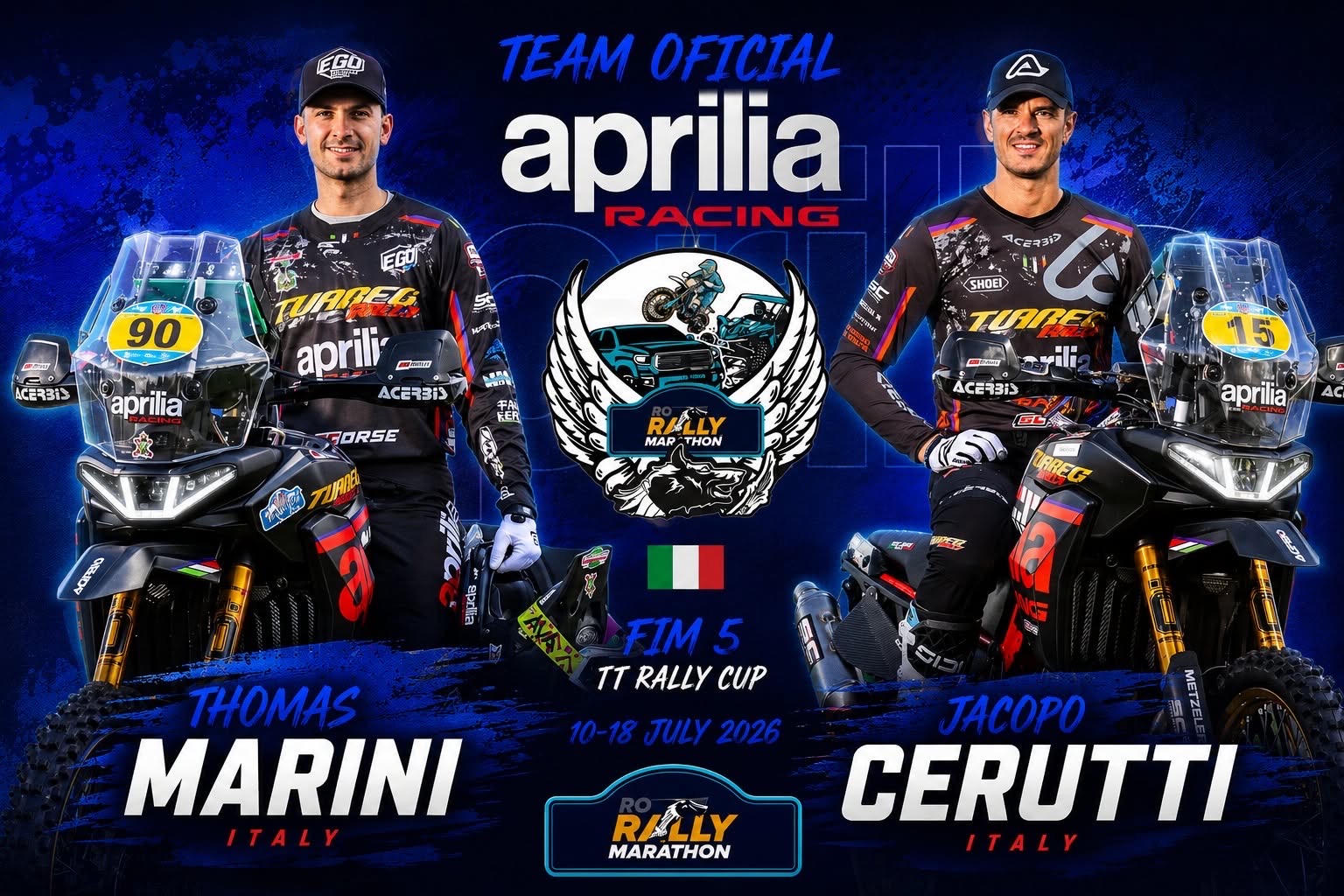
Thomas Marini wins – Thomas Marini of San Marino won the rally on an Aprilia Tuareg in 18:07:18 hours. He led from the first day and achieved a podium position on every special stage. According to Aprilia, he took four overall stage wins and five class wins. With this success he also took the lead in the Tout Terrain Rally Cup.

The official overall podium according to the timing PDF:

  1. Thomas Marini, Aprilia – 18:07:18
  2. Maikol Reboldi, Triumph – 19:29:59
  3. Yuri Di Pauli, KTM – 20:32:57.

The FIM Europe report, by contrast, names Alexandru Daniel Goran as third. This contradicts the official final classification, in which Goran is fourth. The report probably refers to a different partial classification or an earlier state of the results; the difference is not clearly explained there.

Maikol Reboldi’s comeback – Reboldi won the sixth special stage and moved up to second place with a strong finish. His Triumph was thus the best-placed bike behind the winning Aprilia.

Jacopo Cerutti’s accident – The most dramatic story of the rally was Jacopo Cerutti’s serious accident. On the sixth day of riding, he collided with an oncoming car on a special stage. According to Aprilia, Cerutti was not responsible for the collision. He suffered complicated fractures of the tibia and fibula in his right leg and a fracture of his left kneecap. The subsequent operation in Bucharest went well; Aprilia initially prescribed five weeks of complete rest.
His retirement is visible in the results list: after six strong stages, he is listed as “AB” on SS7. The incident raises a serious safety question: how did an oncoming car get onto or into a special stage? The collision and Cerutti’s lack of blame are publicly confirmed. The car’s exact access route, possible organisational errors and any legal consequences have not yet been publicly clarified. Statements about deliberate entry or specific people responsible would therefore be speculation.

The German participants

Three German riders appeared in the official overall classification. All started with a DMSB licence in class M2.

Jan Hendrik Erbach, KTM (95) – surprise in sixth place
Erbach was the strongest German and one of the most eye-catching privateers of the rally. He finished only a little over 25 minutes behind M2 winner Yuri Di Pauli and left numerous nominal FIM Cup riders behind him. His third special stage was particularly strong: with 4:25:03 hours he was faster there than several riders who were ahead of him in the overall standings. His whole rally was remarkably consistent; none of his seven times shows a large fixed penalty or a massive slump.

Claudius Flogaus, Beta (2) – strong recovery after SS1
Flogaus lost a lot of time on SS1 with 8:06:37 hours. After that he rode much more competitively and steadily. On SS3, for example, he needed only 5:00:54, on SS5 2:35:11 and on SS7 41:28 minutes. This suggests difficulties on the first day and a successful recovery. Whether the time loss was caused by navigation, a technical problem, a crash or a penalty is not documented in the official result.

Tim Duerr, KTM (112) – enormous penalty or fixed time
Duerr’s overall result was practically decided by his SS1 time of 46:11:01 hours. His later performances were considerably better by comparison: 3:24:31 on SS4, 2:15:46 on SS6 and 39:09 on SS7. A first stage actually ridden in more than 46 hours is hardly plausible. A fixed-time allocation or massive time penalty after a stage not completed in the regular way is therefore the most likely explanation. However, this is only an inference from the data; the result sheet gives no reason.

Stories

  • Marini’s win is technically interesting because the Aprilia Tuareg is a relatively large and heavy twin-cylinder motorcycle. On tight and technical tracks, lighter single-cylinder bikes are often considered more manageable. The Tuareg was apparently able to make particularly good use of its power and stability advantage on the fast Romanian tracks. Aprilia described the success as proof of the bike’s competitiveness and reliability under extreme conditions.
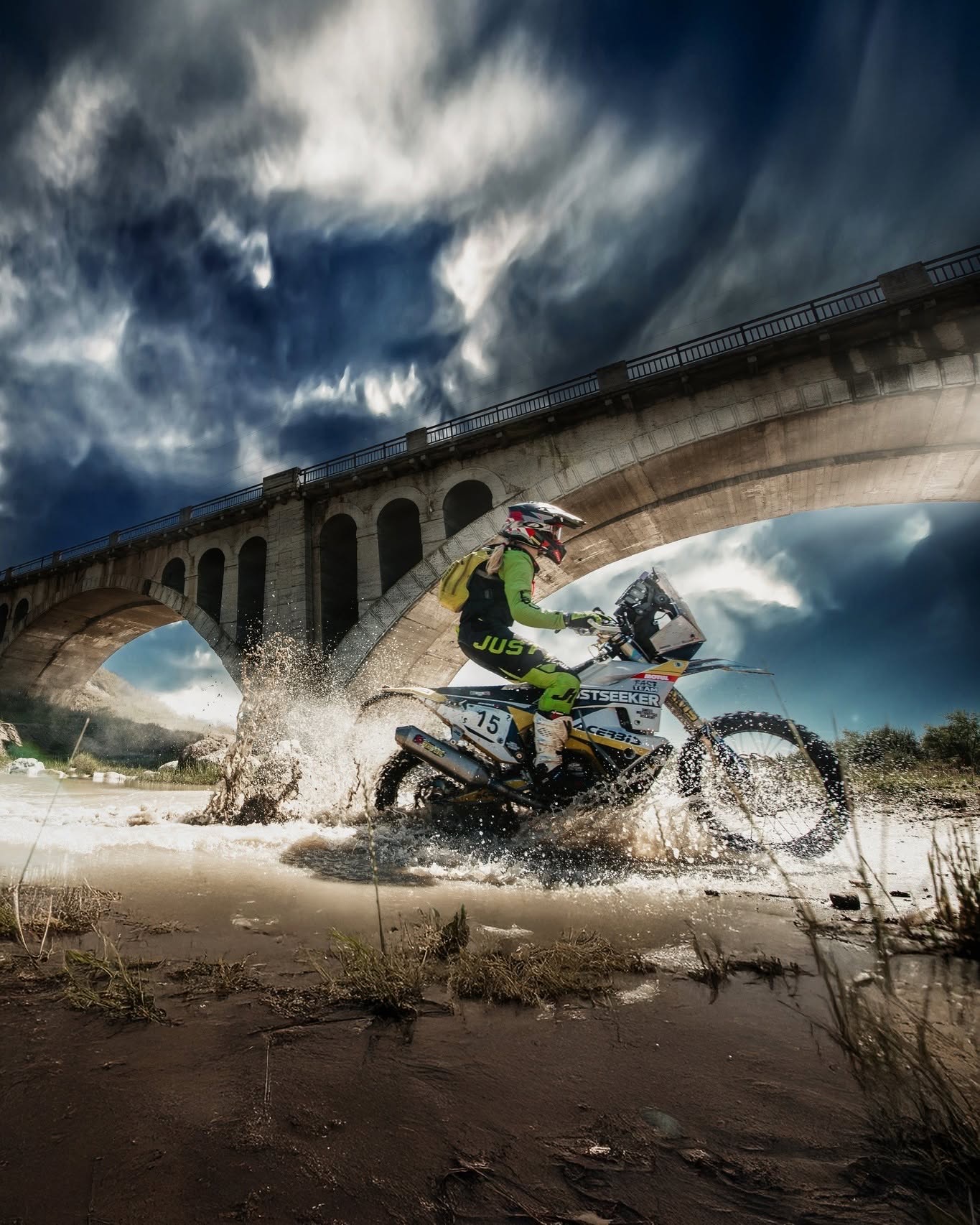
  • Marini’s development from helper to winner
    Before the rally, Cerutti was regarded as Aprilia’s most prominent rider, having won the previous cup rounds in Galicia and Greece. In Romania, however, Marini stepped out of his shadow, took the lead immediately and withstood the pressure throughout the week.
  • Classic riders on Honda
    Dario Amorosa and Aneta Francu finished in the Classic category. Their total times of more than 93 and 100 hours respectively show how big the difference can be between a regular, competitive run and a result marked by problems or fixed-time allocations.
  • The car on Cerutti’s stage
    It is confirmed that an oncoming car was involved and that, according to Aprilia, Cerutti was not at fault. It is unconfirmed whether the vehicle drove around a barrier, got onto the route by mistake, or whether the stage was not fully closed to traffic.
  • The differing podium report
    FIM Europe names Goran in third place, while the official timing lists Di Pauli. A later correction, different cup and event classifications or an editorial error are all conceivable. Without an official bulletin, none of these explanations should be presented as fact.
  • The high times of several riders
    For Tim Duerr and other participants, extreme individual times strongly suggest fixed-time allocations or penalties. Which incidents lie behind them cannot be reconstructed from the official document.

Conclusion

The RO Rally Marathon 2026 was a fast, long and navigation-heavy rally raid through the varied landscapes of eastern Romania. Its toughness lay less in extreme individual obstacles than in the combination of long distances, heat, high speed, changing surfaces, roadbook navigation and strain on the machinery.
In sporting terms, Thomas Marini’s commanding win, Maikol Reboldi’s late attack and Jacopo Cerutti’s serious accident defined the event. From a German perspective, Jan Hendrik Erbach’s sixth place overall and second in M2 was the standout result. Claudius Flogaus finished the rally solidly in 20th place after a difficult start, while Tim Duerr carried on despite an enormous time burden on SS1 and reached the finish.

Published inAllgemein

FIM Rallies 2/3: FIM Europe Tout Terrain Rally Cup

FIM Europe Tout Terrain Rally Cup

The FIM Europe Tout Terrain Rally Cup is a European rally raid series for motorcycles, quads and SSVs. It is organised by FIM Europe and sits one level below the worldwide FIM rally raid championships. The events are genuine long-distance rallies: each round must cover at least 800 kilometres and last at least four days, with a maximum of five rounds planned per season.

The classes

For 2026, the regulations list the following categories:

  • M1 125–390 cc
  • M2 400–475 cc
  • M3 480–600 cc, single-cylinder
  • M4 650–750 cc, single-cylinder
  • M5 650–1300 cc, twin-cylinder
  • In addition, there are classifications for Women, Veteran 55, Quad and SSV.

M5 is particularly interesting at the moment because the large twin-cylinder rally bikes such as the Aprilia Tuareg and Triumph Tiger compete there. The lighter 450 cc rally machines typically fall into M2. As a result, very different concepts meet: light, agile single-cylinder bikes against heavier, more powerful twins.

Scoring and points

A round’s total time is made up of the special stage times and all penalties. The rider with the lowest total time wins.

The Cup points for the top 15 run from:
20-17-15-13-11-10-9-8-7-6-5-4-3-2-1

Longer rallies receive a multiplier:
• four days: factor 1.0,
• five to six days: factor 1.25,
• seven to eight days: factor 1.5.

There are also bonus points for taking part in several rounds of the season. Riders who compete in three rounds receive five bonus points; for four rounds it is ten, and for five rounds 15 points. This rewards not only individual wins but also a complete season.

Penalties and continuing despite problems

The system also explains some of the very high times in the RO Rally results.
A rider who does not start a special stage can receive the time of the last regular rider plus six hours. A rider who starts a stage but does not finish it receives a calculated time including waypoint penalties. Missing checkpoints normally cost 15 minutes, missing time controls 30 minutes.

As a result, a rider can often continue the next day after a breakdown or navigation problem, but ends up far behind with an enormous penalty time. This would likely explain high stage times such as those of Tim Duerr at the RO Rally, although the regulations alone do not confirm the cause in his specific case. In the official RO Rally results, such conspicuously high times appear several times.

Safety

The regulations require, among other things:

  • permanent satellite tracking,
  • warning systems for overtaking and vehicles,
  • a mobile phone and first-aid equipment,
  • at least two litres of water,
  • a rescue blanket and fire extinguishing agent,
  • medical vehicles at the start and finish and roughly every 100 kilometres of a special stage.

The first two riders to arrive at an accident must stop and help. The time lost in doing so can be credited back to them.
One important point: the rallies partly run on roads that are open to public traffic. Only the prologue must be fully closed; special stages must be protected from traffic with the means available. At the same time, the regulations expressly oblige riders to expect civilian vehicles and to observe traffic rules.

The 2026 season

  1. Galicia Rally, Spain: around 1,635 kilometres, of which roughly 1,355 kilometres are special stages. Jacopo Cerutti won ahead of Thomas Marini.
  2. Hellas Rally Raid, Greece: almost 1,700 kilometres of special stages through mountains, forests and rocky terrain. Cerutti won again.
  3. RO Rally Marathon, Romania: seven stages through forests, over fast gravel tracks, hills and difficult navigation sections. Thomas Marini won.
  4. Sandalion Rally, Italy: season finale in Oliba, Sardinia, on 13–17 October

Standings 2026

  1. Thomas Marini (San Marino / Aprilia) – 67
  2. Jacopo Cerutti (Italy / Aprilia) – 50 points
  3. Maikol Reboldi (Italy / Triumph) – 41 points
  4. Alexandru Daniel Goran (Romania / Husqvarna) – 35 points
  5. Daniele Livi (Italy / Husqvarna) – 29 points

Historically influential names

Some riders link the different phases of the series’ development:

  • Joan Pedrero won the 2019 season opener.
    • 15 Dakar participations
    • Harley-Davidson factory rider
    • Top 10 overall and class winner at the Africa Ecorace with the Pan America 1250
  • Leonardo Tonelli dominated the 2019 Hellas Rally.
    • multiple Italian motorally and Raid TT champion
    • Dakar finisher in 2022 on a Husqvarna
  • Loïc Minaudier won in Greece in 2021.
    • five-time finisher of the Dakar Rally on a motorcycle
  • Tobias Ebster dominated the 2023 Dinaric Rally.
    • Two-time Dakar finisher in Malle Moto
    • Hero factory rider
  • Jacopo Cerutti brought stronger factory involvement to the series with Aprilia from 2025/26.
    • undisputed number 1 of Italian rally raid sport and factory rider for the Aprilia Tuareg Racing Team
    • 2024 winner of the Africa Eco Race with the Aprilia Tuareg 660 at the first attempt
    • 6 Dakars, finishing in the top 20 three times
    • Serious accident at the RO Rally
  • Thomas Marini became Cerutti’s most important rival in 2026.
    • Cerutti’s teammate in the Aprilia factory team
    • Current leader after winning the RO Rally

Assessment

The Cup is particularly interesting because it brings together professional factory teams and ambitious privateers. At the 2026 Galicia Rally, 118 motorcycles started, 40 of them riders in the FIM Europe classification; at the Hellas Rally, more than 150 motorcycle and quad riders took part, 46 of them Cup participants.
It is therefore not a purely amateur series, but nor is it as closed-off and expensive as the Rally Raid World Championship. Riders can enter individual events with a suitable FIM Europe licence, but need a regular driving licence, a technically compliant motorcycle and the prescribed safety equipment.
From a German perspective, the strongest performance at the RO Rally came from Jan Hendrik Erbach: sixth overall and second in the national M2 classification. Claudius Flogaus finished 20th overall, Tim Duerr 45th.

Published inAllgemein

Bosnia Rally 2026

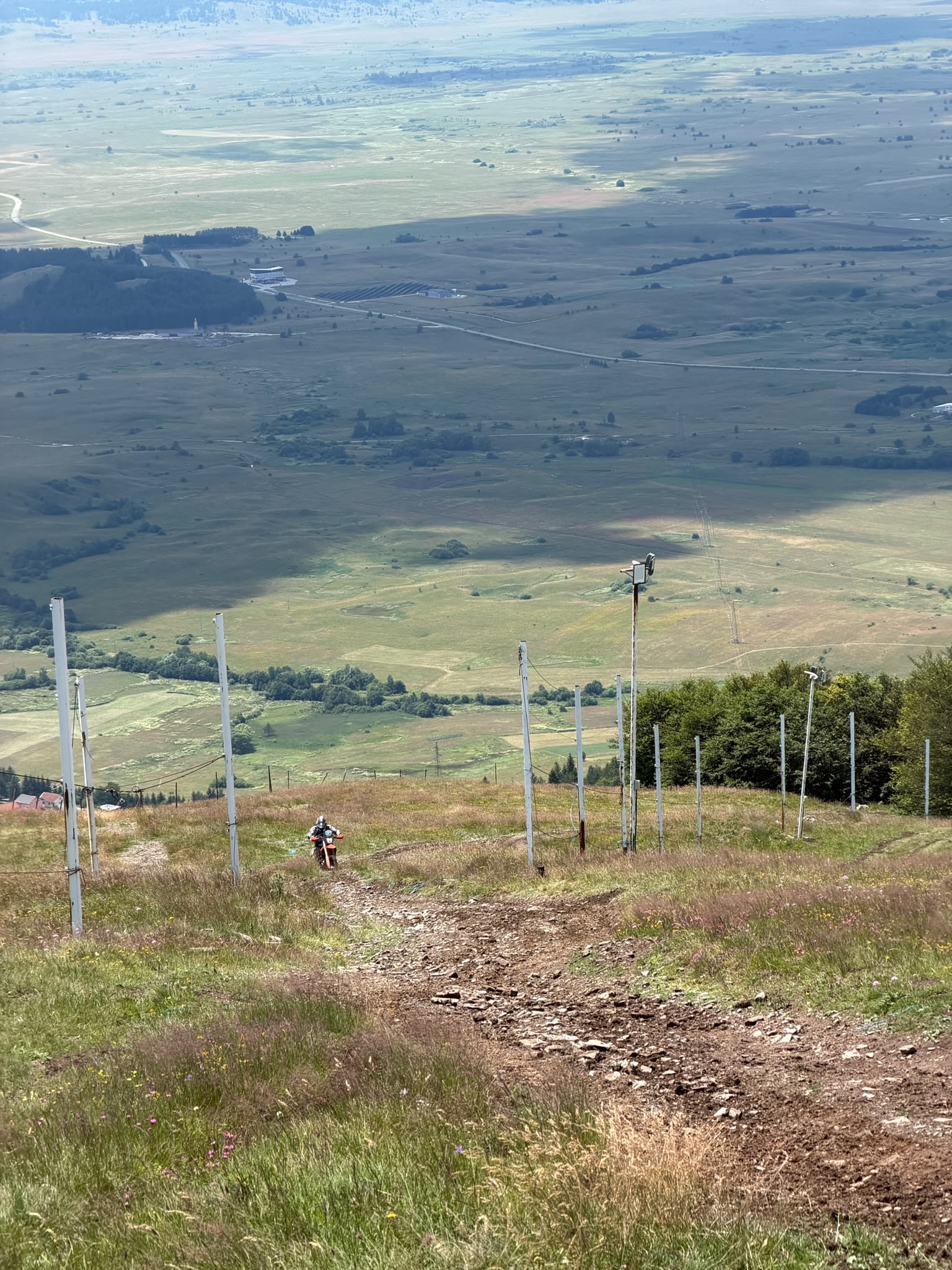
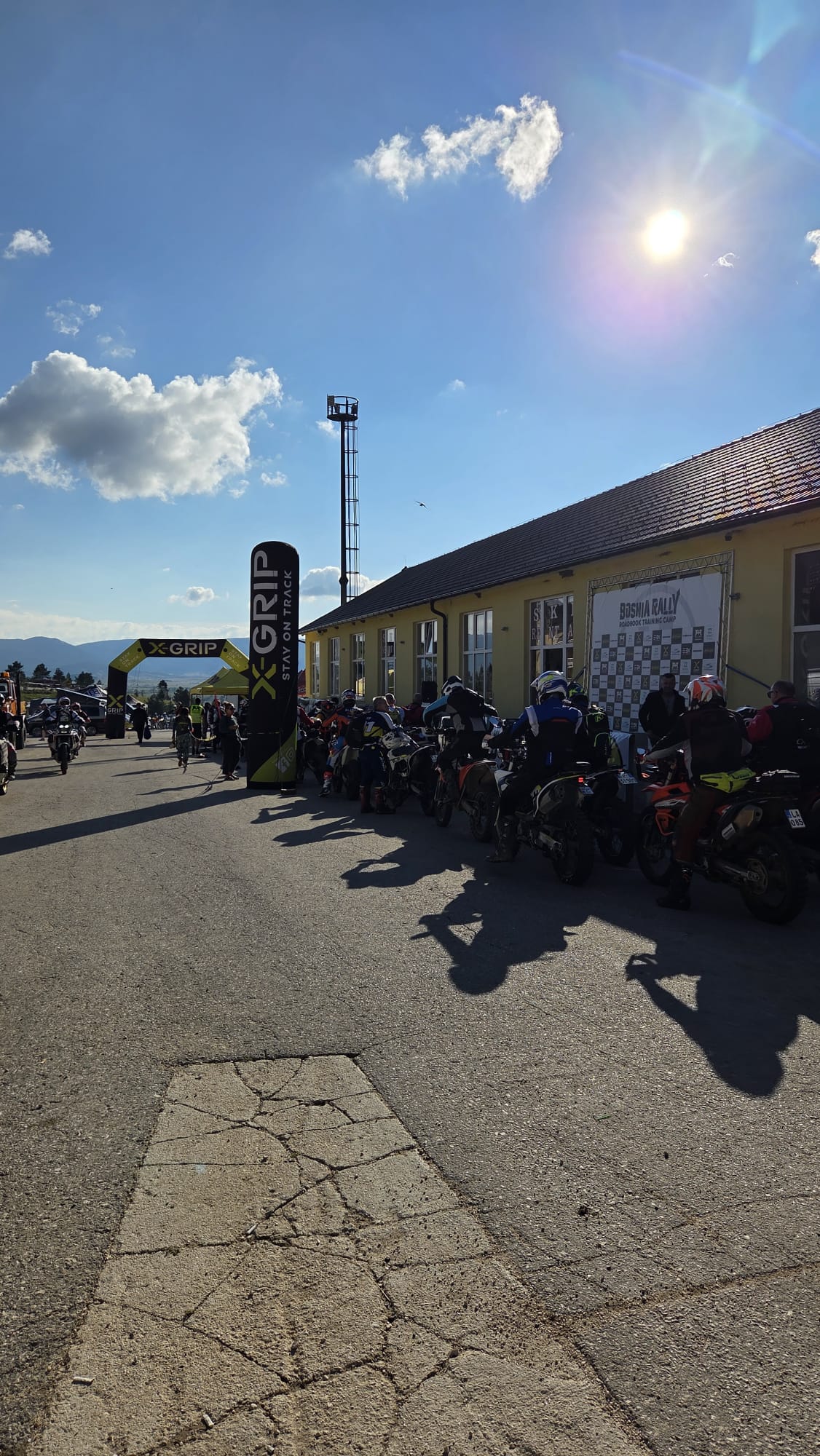
The Bosnia Rally 2026 took place from 12 to 18 July 2026, with its base camp in Kupres. Despite its name, it was expressly not a race, but a five-day roadbook and off-road training event held under conditions as close to a real rally as possible. There was scrutineering, daily rider briefings, GPS tracking, checkpoints, medical support and a paddock, but no timekeeping, no ranking and no overall winner.
According to the organiser, the programme comprised five stages totalling roughly 1,300 to 1,400 kilometres.

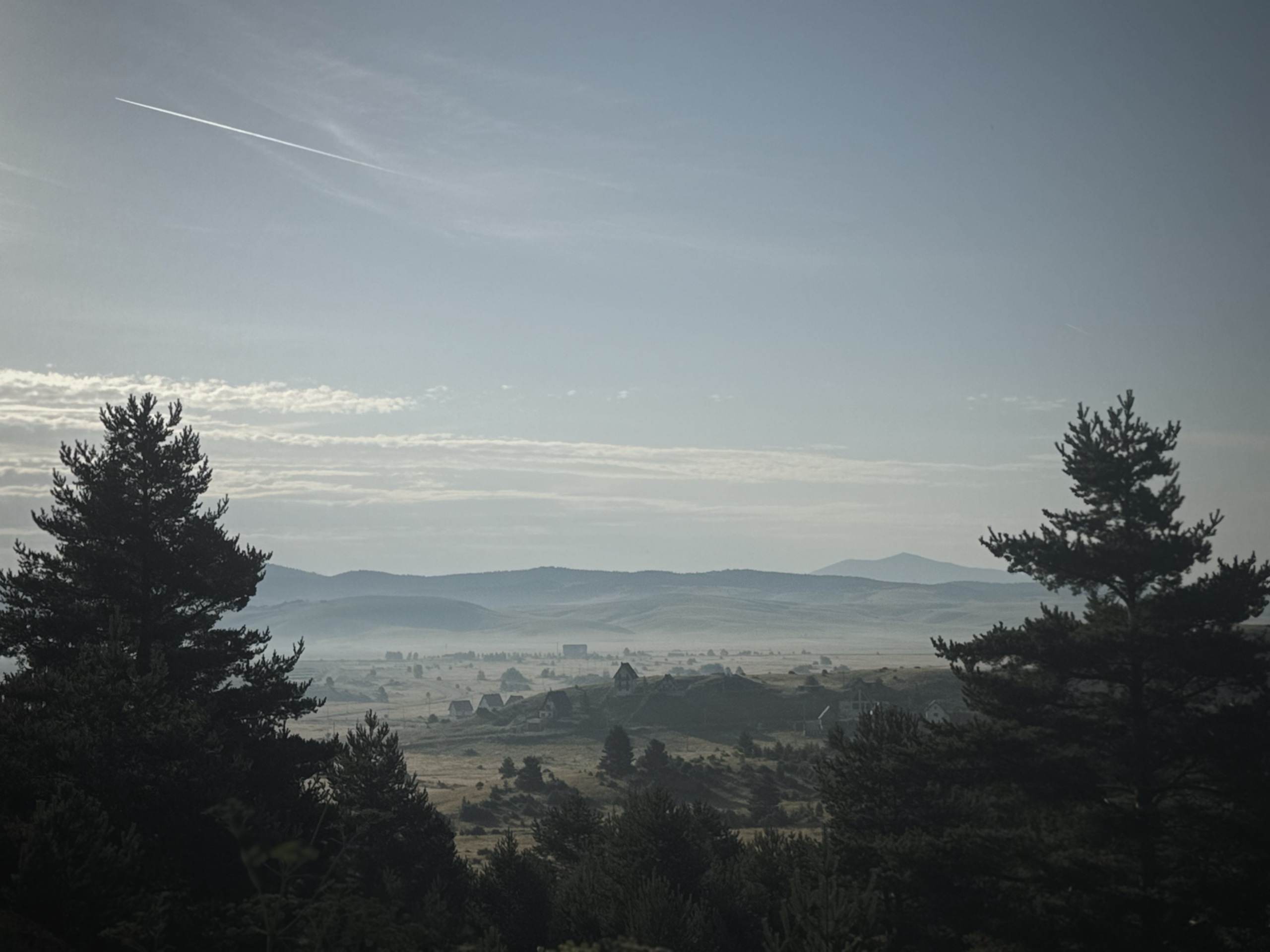
The landscape around Kupres

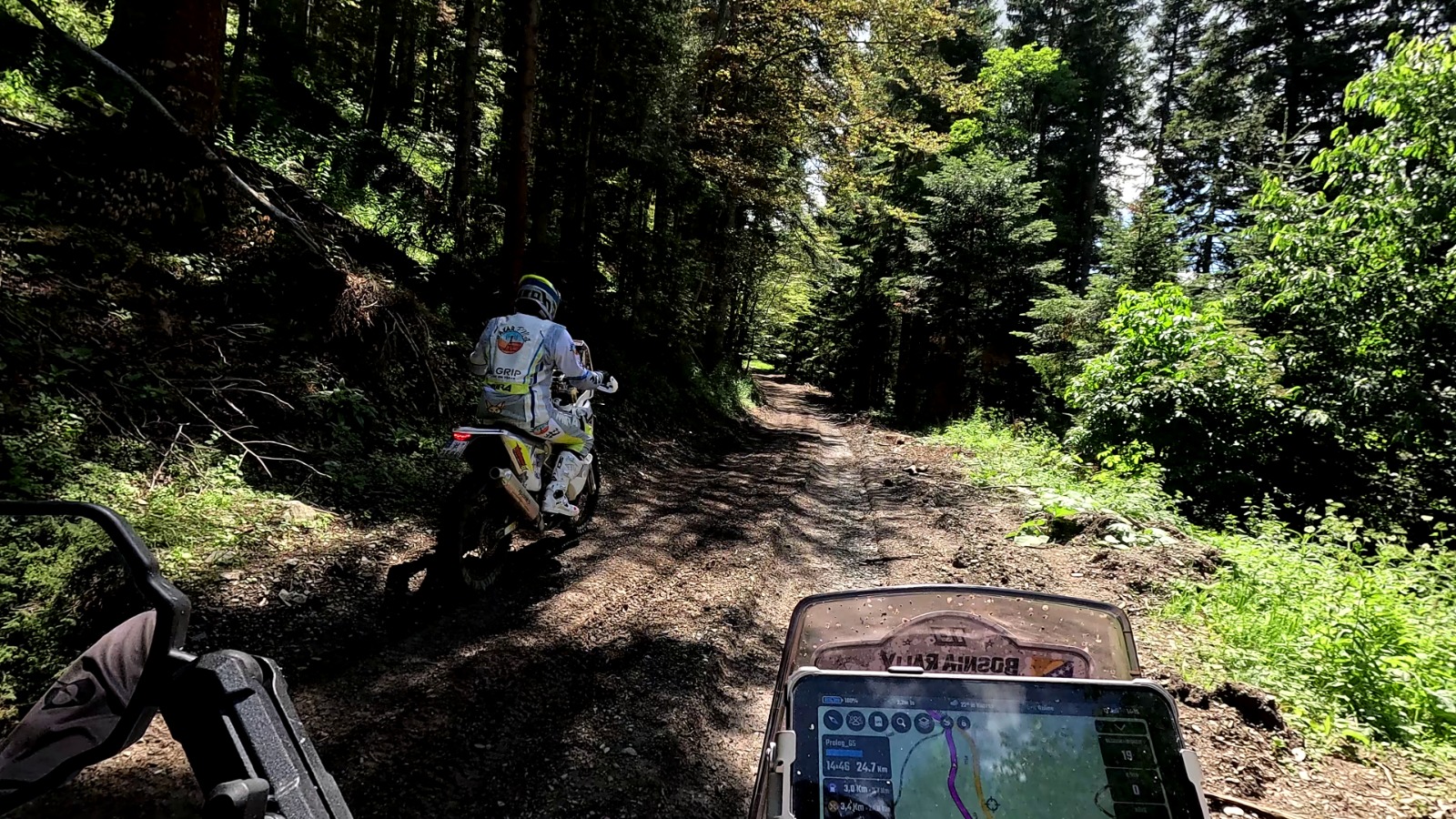
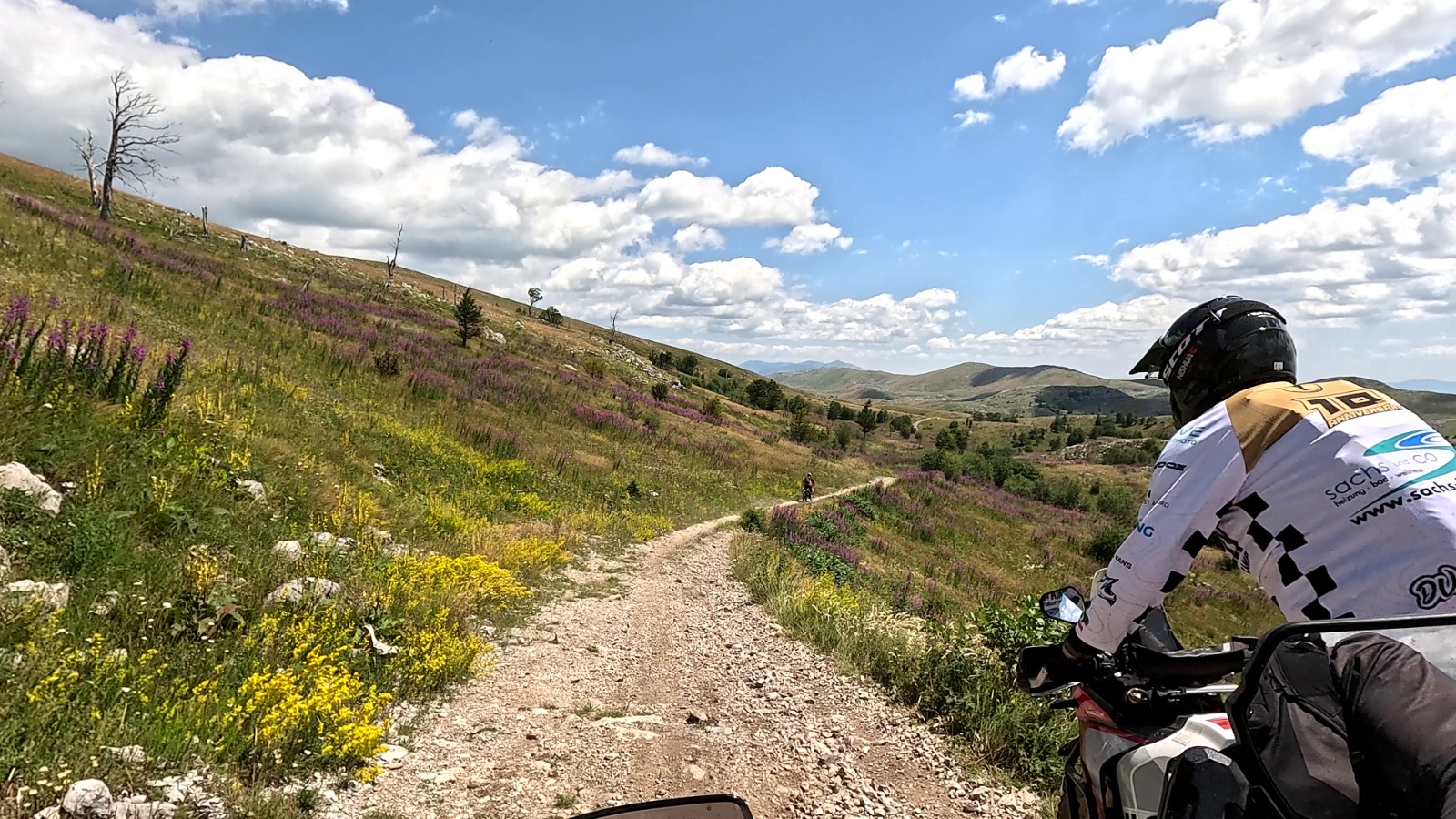
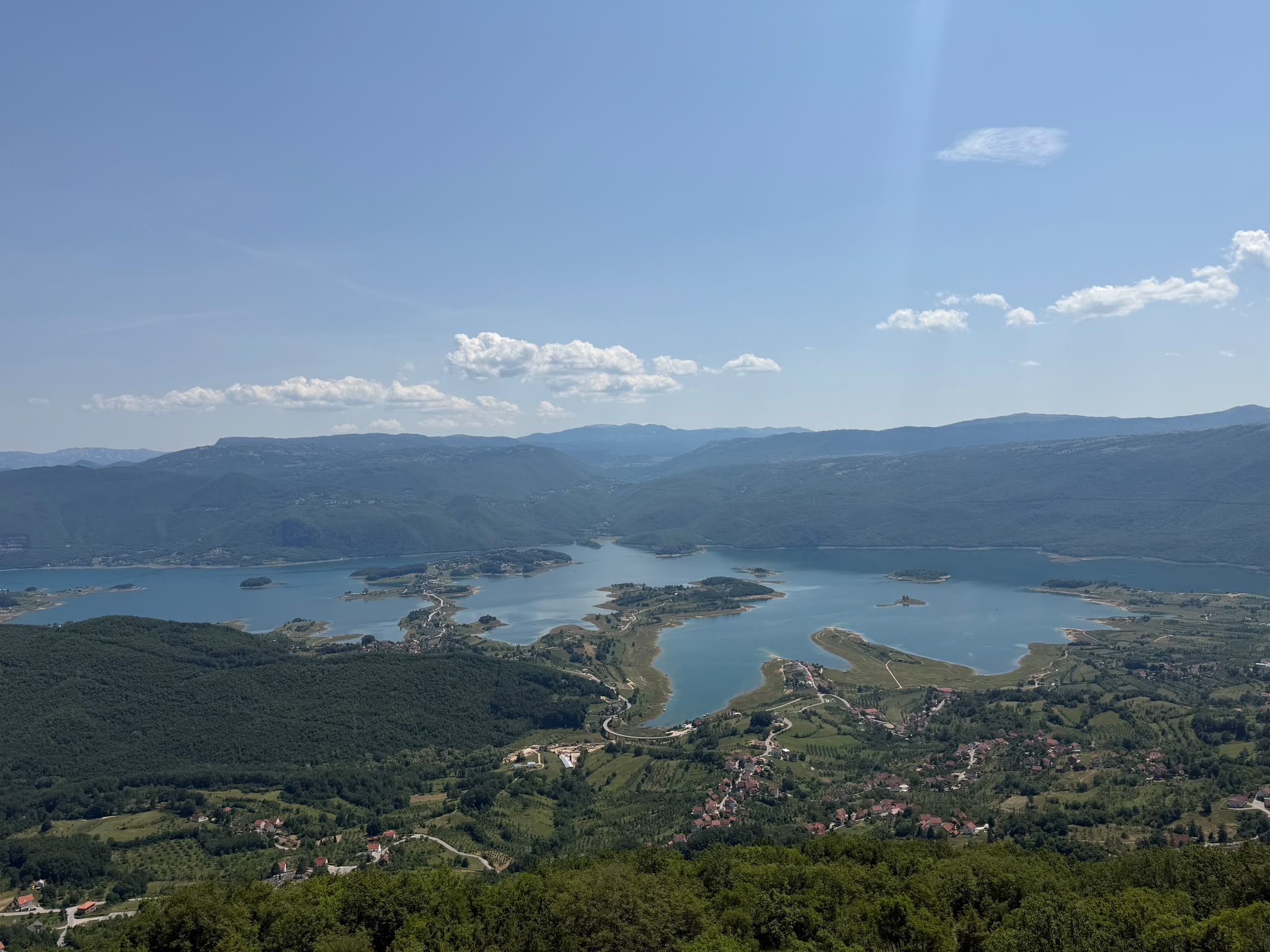
Kupres lies on a broad high plateau at an altitude of roughly 1,300 metres, surrounded by mountains and extensive forests. The landscape combines open uplands with more densely wooded areas and a large network of gravel tracks, forest trails and field paths. The organiser describes the region as an area of dry steppe, damp forest floor and tracks leading in practically every direction.

It is precisely these changes that make the area interesting for rally training:

  • open, fast gravel tracks on the plateau,
  • narrow forest trails with restricted visibility,
  • stony and washed-out sections,
  • muddy passages after rain,
  • water crossings and a few singletrails.

According to the organiser, about 75 per cent of the route consisted of gravel tracks and unpaved roads; the FAQ even speaks of an off-road share of around 85 per cent overall.
The wildlife is also part of the region’s distinctive character. The organiser points out that riders may encounter, among other things, herds of sheep and cattle, wild horses and possibly even bears. This is less a touristic embellishment than an indication that the routes run through largely open natural and grazing areas.

Route and level of difficulty

The Bosnia Rally was expressly not aimed at off-road beginners. Entrants needed experience on gravel and loose surfaces, as well as a road-legal, technically suitable enduro motorcycle. Normal road tyres were not permitted or were practically unsuitable; sturdy tyres for hard gravel were recommended.

The level of difficulty can sensibly be divided into three areas.

  • Riding technique: demanding
    Rocks, mud, water crossings and narrow trails call for clean enduro technique. Slow, steep or washed-out sections can be very tiring, especially on a heavy adventure bike. The challenge lies not in a single extreme obstacle as in hard enduro, but in the permanent combination of loose ground, length and changing conditions.
  • Fitness: high
    Five riding days and around 1,300 kilometres mean several long days on the bike. Even without time pressure, participants have to stay constantly focused, control the motorcycle off-road and navigate at the same time. The relaxed training character removes race pressure, but does not make the routes themselves easy.
  • Navigation: the central focus
    The real purpose of the event was training with a paper roadbook, an electronic roadbook or GPS. Riders had to interpret junctions, distances, hazard warnings and route features on their own. For electronic roadbooks, the organisation supported the Terrapirata app; GPS riders received the GPX data before the event.

A navigation error here meant no time penalty, but could still lead to extra kilometres, fuel problems or a very long day.

Although there was no scoring, the format followed that of a classic rally raid event:

  1. Arrival, accreditation and technical inspection
  2. Installation of and briefing on the navigation equipment
  3. Daily issue or unlocking of the roadbook
  4. Riders starting at staggered intervals
  5. Checkpoints, service points and rest stops along the route
  6. GPS tracking by the organisation
  7. Daily rider briefing for the next stage.

The five main stages were ridden from 13 to 17 July. A joint finish party was planned for the evening of the last riding day.

Classes and categories

At the Bosnia Rally there were no classes in the sense of a motorsport championship, because no times were taken and no places were awarded. Terms such as M1, M2 or FIM5, as at the RO Rally, therefore played no role here.

Instead, the event distinguished mainly by type of navigation and type of motorcycle.

  • Roadbook riders
    These participants navigated with a classic paper roll or an electronic roadbook. This most closely matches the format of a genuine rally raid and was the focus of the event.
  • GPS riders
    Alternatively, riders could use a track-capable GPS device or a suitable app. This category was easier to access, because the rider could follow a set line instead of having to interpret every roadbook note.
  • Sport enduros and light rally bikes
    Lighter enduros have advantages on technical forest and rocky sections. They are easier to catch, lift and manoeuvre through tight passages. In principle, any suitable enduro could take part, provided it was road-legal and met the required range.
  • Adventure motorcycles
    A special ADV route was prepared for larger motorcycles weighing roughly 160 kilograms and above. It bypassed selected selective sections or those problematic for heavy motorcycles. Riders could switch to this track if necessary. This made the event accessible to large adventure bikes as well, without removing the technical challenge entirely.
  • Extra Class
    On 11 July, an additional beginners’ class for roadbook newcomers took place. It covered marking and mounting the roadbook, calibrating the trip meter, operating the navigation equipment and the start procedure. This was followed by a practice prologue of roughly 70 kilometres.

The distinction is important: the Extra Class was intended for navigation beginners. The actual five-day Bosnia Rally nevertheless remained an event for riders with existing off-road experience.

Motorcycles and technical requirements

The motorcycle had to be road-legal and in good condition. A range of at least 150 kilometres was required. For smaller tanks, external fuel stops could in some cases be arranged; fuel bottles carried on the body were banned for safety reasons.

As for tyres, the organisation recommended hard gravel tyres. In rally sport, mousse inserts are often the preferred solution against punctures on lighter motorcycles. Riders of large adventure bikes with inner tubes were expected to be able to repair a puncture themselves on the way.

These requirements show clearly what the event was about: not maximum engine power, but reliability, range, navigation and the ability to solve problems on the road yourself.

Stories

  • According to local media reports, 453 riders from 16 countries came to Kupres in 2026. Before the start, the plateau and the town park became a meeting point for a large international motorcycling community. Local coverage spoke of hundreds of motorcyclists who turned the otherwise rather quiet Kupres into a rally centre for a week.
  • Participants
    The event was thus split almost exactly in half between GPS and roadbook navigation. It is striking, however, that the GPS group included considerably more heavy adventure motorcycles: there, 94 ADV entries stood against 135 MOTO entries. In the roadbook group, by contrast, the lighter MOTO machines clearly dominated, with 170 of 224 entries.
  • Training instead of elbowing for position
    The probably most interesting feature is that the Bosnia Rally deliberately dispenses with timekeeping. At many rally events, participants race against each other despite their amateur status and thereby risk mistakes or crashes. In Kupres, by contrast, the focus was meant to be on arriving cleanly, navigating and learning. As a result, riders could meet again at checkpoints or rest stops, swap experiences and help each other in case of problems without jeopardising their own placing. The family atmosphere is not a side programme, but part of the event’s actual concept.
  • Light enduros and large adventure bikes at the same event
    The mix of slim sport enduros and heavy adventure motorcycles naturally makes for very different experiences. Where a light single-cylinder bike gets through a washed-out forest track without difficulty, a large twin-cylinder adventure bike can demand a lot of strength and teamwork. The ADV bypasses were therefore not a pure “light class”, but a safety and accessibility concept. A large part of the normal route remained demanding for ADV riders too.
  • The 70-kilometre prologue for newcomers
    It is also unusual that the prologue was not used to determine a starting order. It was solely part of the Extra Class and intended as a practical test after the roadbook tuition. Participants could make mistakes under observation before the actual event began the next day.

Conclusion

The Bosnia Rally 2026 was not a rally in the classic competitive sense, but a realistic roadbook training camp. It combined five long off-road stages with the landscape of the Kupres plateau: open uplands, fast gravel tracks, dense forests, rocks, mud, water and narrow trails.

The standard was high enough that off-road experience was expressly required. At the same time, the absence of timekeeping took a lot of pressure out of the event. This made it particularly suitable for riders who wanted to train rally navigation, long riding days and handling their motorcycle without immediately taking part in a genuine scored event.

The most defining story was therefore not a winner, but the concept itself: riders from more than 14 countries, from light rally bikes to heavy adventure enduros, together on demanding Bosnian tracks, with an emphasis on navigation, endurance and finishing rather than on seconds and trophies.

Published inAllgemeindigitales RoadbookNavigationNewsRallyRoadbook

FIM Rallies 1/3: W2RC

While preparing the RO-Rally, and even before that, the FIM Europe Tout Terrain Rally Cup caught my eye. Some rallies, such as the Hellas Rally, are part of this cup and also publish special FIM rankings in their results. The RO Rally Marathon is one of them. I would like to use this as an opportunity to explain something about the FIM’s rally “leagues”.

FIM World Rally-Raid Championship – W2RC

The FIM World Rally-Raid Championship is the highest international category. Together with the FIA car classification, it forms the World Rally-Raid Championship, W2RC for short, which has been held since 2022.

The most important motorcycle title is awarded in the RallyGP class. This is where the professional factory riders and top teams start, including KTM, Honda and Hero.

In addition, there are further classifications within the events, such as:

  • RallyGP for professional factory teams and top riders
  • Rally2 for privateers and young riders
  • Rally3 for more production-based enduro motorcycles
  • Junior classifications in Rally2 and Rally3
  • Women’s classification
  • Veterans’ classification
  • Quads

The terms “World Championship” and “World Cup” can appear side by side: the actual FIM world championship title mainly concerns RallyGP, while the other categories are run as FIM Cup or Trophy classifications.

2026 season

The 2026 calendar comprises five rounds on four continents:

  1. Rally Dakar, Saudi Arabia
  2. Rally-Raid Portugal
  3. Desafío Ruta 40, Argentina
  4. Rallye du Maroc
  5. Abu Dhabi Desert Challenge

In 2026 the Dakar is the only so-called marathon round and therefore carries a higher points weighting. Abu
Dhabi is the season finale for the first time.

Points system

At standard FIM rallies, the top 15 riders receive points according to this scheme:
25–20–16–13–11–10–9–8–7–6–5–4–3–2–1

A marathon round such as the Dakar carries a coefficient of 1.5. Unlike in the FIA car classification, motorcycles generally receive no additional world championship points for individual stages. The FIM wants to give more weight to consistency and reliably reaching the finish than to individual stage wins.

Current standings

After the first three rounds, the leader is:

  1. Daniel Sanders – KTM: 67 points
  2. Tosha Schareina – Honda: 64 points
  3. Luciano Benavides – KTM: 61 points
  4. Ricky Brabec – Honda: 54 points
  5. – Honda: 41 points

With two rounds remaining, Sanders, Schareina and Benavides are therefore only six points apart. The decision is thus likely to come only at the Rallye du Maroc or at the finale in Abu Dhabi.

Assessment


The W2RC is not purely a Dakar championship. The Dakar is the longest and best-known round, but a world champion has to perform over the whole season on very different terrain: fast and muddy tracks in Portugal, South American high-speed and dune terrain, demanding navigation in Morocco and deep sand in Abu Dhabi.
In summary: the FIM World Rally-Raid Championship combines endurance, navigation, technique and risk management. RallyGP is the professional premier class, while Rally2, Rally3, quads and the junior, women’s and veterans’ classifications form the broader sporting pyramid.

Published inAllgemein